SAVE 15% OFF ON YOUR FIRST ORDER - USE CODE PERFORM15 AT CHECKOUT

Ipamorelin – Research Peptide
Price range: $35.00 through $55.00
Epitalon – Research Peptide
$45.00
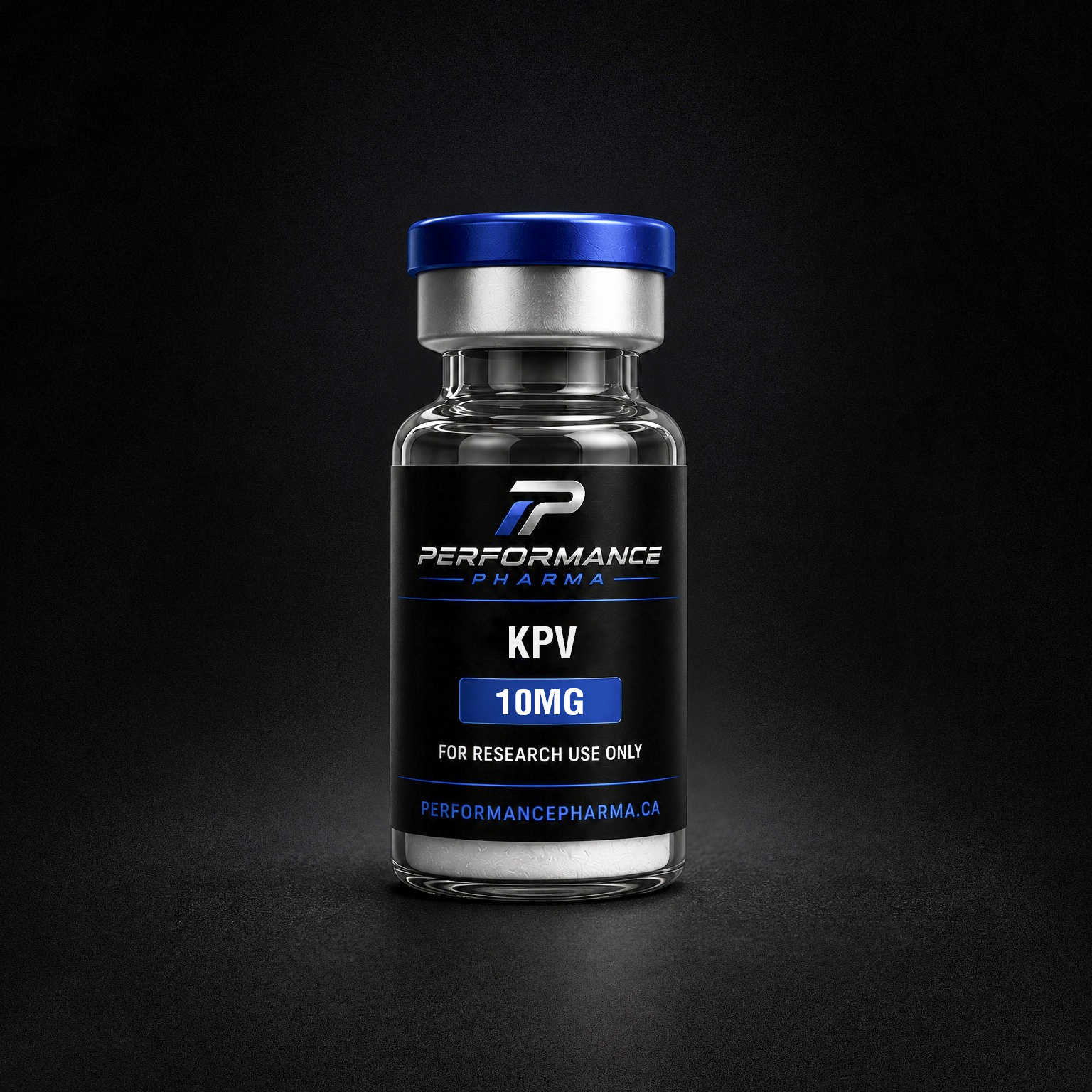
KPV – Research Peptide
$55.00
KPV is a tripeptide fragment derived from alpha-melanocyte-stimulating hormone (α-MSH). It is investigated for its potential role in inflammatory signaling pathways and gastrointestinal research.
Description
KPV (Lysine–Proline–Valine) is a naturally occurring tripeptide derived from the C-terminal region of alpha-melanocyte-stimulating hormone (α-MSH). Although considerably smaller than its parent peptide, KPV has demonstrated independent biological activity in experimental models, particularly those investigating inflammatory signaling, epithelial barrier function, and gastrointestinal physiology.
Unlike many research peptides that exert their effects through endocrine pathways, KPV has primarily been investigated for its potential role in regulating immune responses and supporting normal tissue homeostasis. Laboratory and animal studies have generated growing interest in the peptide’s biological activity, particularly in models of intestinal inflammation, skin biology, and mucosal repair. Human clinical evidence, however, remains limited.
KPV remains an investigational research peptide and has not been approved by major regulatory agencies for clinical use.
Research Overview
Alpha-melanocyte-stimulating hormone (α-MSH) is an endogenous neuropeptide involved in numerous physiological processes, including pigmentation, appetite regulation, and immune modulation. Researchers discovered that the C-terminal tripeptide sequence—Lysine-Proline-Valine (KPV)—retained many of the anti-inflammatory properties of the full-length peptide while functioning as a much smaller and structurally simpler molecule.
This finding led to increasing scientific interest in KPV as an experimental compound for investigating localized inflammatory responses without requiring the complete α-MSH peptide.
Current research focuses primarily on KPV’s effects within epithelial tissues, particularly the gastrointestinal tract and skin, where regulation of inflammation and barrier integrity are essential to normal physiological function.
Mechanism of Action
Although the complete mechanism of action has not been fully established, current evidence suggests KPV influences several pathways involved in inflammatory regulation and tissue homeostasis.
Inflammatory Signaling
Experimental studies suggest KPV may modulate the production of pro-inflammatory cytokines involved in innate immune responses.
Investigators continue to evaluate its influence on signaling pathways that regulate:
- Tumor necrosis factor-alpha (TNF-α)
- Interleukin-1 (IL-1)
- Nuclear factor kappa B (NF-κB)
- Additional inflammatory mediators
These findings remain an active area of investigation.
Epithelial Barrier Function
The gastrointestinal epithelium forms an essential protective barrier between the external environment and internal tissues.
Experimental models suggest KPV may support normal epithelial integrity by influencing inflammatory signaling and cellular repair mechanisms.
Immune Regulation
Unlike conventional immunosuppressive agents, KPV is being investigated for its ability to regulate inflammatory responses while preserving normal immune function.
Researchers continue to investigate how this balance may contribute to tissue homeostasis in experimental disease models.
Current Scientific Research
Most published research involving KPV has been conducted in laboratory and animal models.
Gastrointestinal Research
KPV has been investigated extensively in experimental models of intestinal inflammation.
Researchers have examined its influence on:
- Intestinal epithelial integrity
- Experimental colitis
- Mucosal inflammation
- Barrier function
- Cytokine regulation
These studies have established gastrointestinal physiology as one of the primary areas of KPV research.
Dermatological Research
Experimental investigations have also explored KPV in models involving inflammatory skin disorders and wound healing, where regulation of local inflammatory responses may influence tissue recovery.
Inflammatory Biology
Additional laboratory studies continue to examine KPV across broader models of inflammatory regulation, innate immunity, and epithelial biology.
Human clinical research remains limited, and further investigation is required to define its biological significance.
Potential Research Applications
Current scientific literature is investigating KPV in relation to:
- Gastrointestinal physiology
- Intestinal epithelial biology
- Experimental inflammatory bowel disease
- Skin biology
- Wound healing
- Inflammatory signaling
- Epithelial barrier function
- Innate immune regulation
These represent active areas of scientific investigation and should not be interpreted as established therapeutic indications.
Product Snapshot
Research Category: Anti-Inflammatory Research Peptide
Derived From: Alpha-Melanocyte-Stimulating Hormone (α-MSH)
Primary Biological Areas of Investigation:
- Inflammatory signaling
- Gastrointestinal physiology
- Epithelial barrier function
- Skin biology
- Immune regulation
Research Administration Route: Experimental laboratory use
Development Status: Preclinical and early translational research
Evidence Strength: ★★★☆☆
Strong laboratory and animal evidence with limited human clinical investigation.
Key Scientific References
Lipton JM, Catania A. Anti-Inflammatory Actions of the Neuroimmunomodulator α-Melanocyte-Stimulating Hormone. Immunology Today.
A landmark review describing the immunomodulatory biology of α-MSH and providing the scientific foundation for subsequent research into KPV.
Getting SJ. Melanocortin Peptides and Their Anti-Inflammatory Effects. Trends in Pharmacological Sciences.
An authoritative review examining melanocortin peptides, including the biological mechanisms responsible for regulation of inflammatory pathways and tissue homeostasis.
Kannengiesser K, et al. KPV Improves Experimental Intestinal Inflammation Through Modulation of Epithelial and Immune Responses. Inflammatory Bowel Diseases.
An important experimental study investigating KPV in models of intestinal inflammation, supporting continued research into gastrointestinal barrier function and immune regulation.
Catania A, et al. The Melanocortin System in Inflammatory Disease. Trends in Endocrinology & Metabolism.
A comprehensive review summarizing the role of melanocortin peptides in inflammatory biology and their potential applications in translational research.
PubMed – KPV Research
A continually updated collection of peer-reviewed publications examining KPV across gastrointestinal physiology, inflammatory biology, epithelial barrier function, and regenerative medicine.
Research Use Statement
For Research Use Only.
KPV supplied by Performance Pharma is intended exclusively for laboratory and scientific research conducted by qualified professionals. This product is not approved for human or veterinary use and is not intended to diagnose, treat, cure, or prevent any disease. It should be handled, stored, and used in accordance with applicable laws, regulations, and accepted laboratory research practices.
Additional information
| Size | 10MG |
|---|
Reviews (0)
Shipping and Delivery


Related products
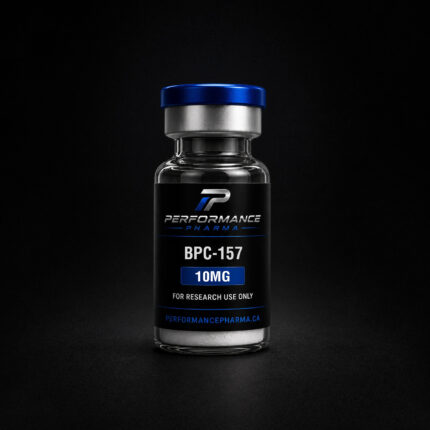
BPC-157 – Research Peptide
Price range: $35.00 through $55.00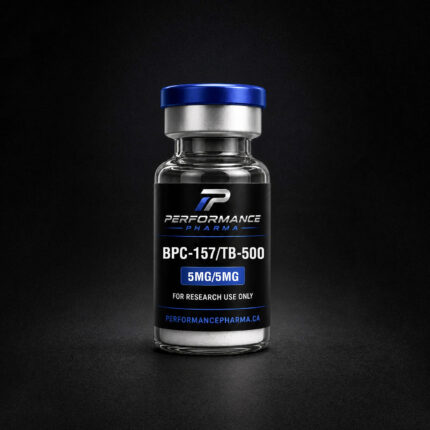
Select options
This product has multiple variants. The options may be chosen on the product page
BPC-157 / TB-500 – Research Peptide Canada
$85.00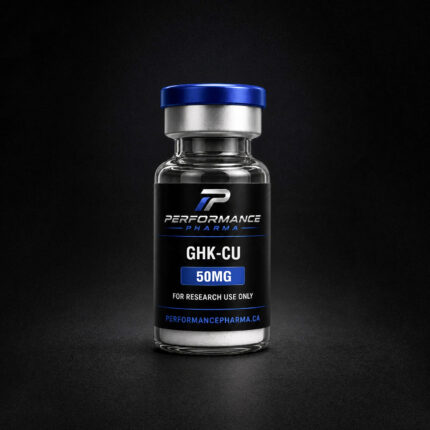
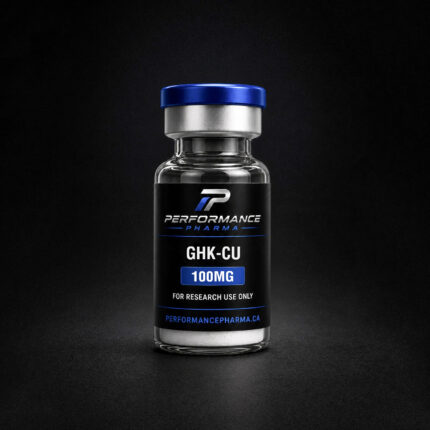
GHK-Cu – Research Peptide
Price range: $40.00 through $60.00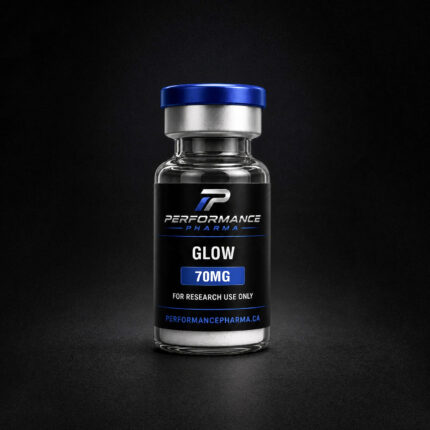
Select options
This product has multiple variants. The options may be chosen on the product page
GLOW – Research Peptide
$100.00
Select options
This product has multiple variants. The options may be chosen on the product page
Reviews
There are no reviews yet.