SAVE 15% OFF ON YOUR FIRST ORDER - USE CODE PERFORM15 AT CHECKOUT

GHK-Cu – Research Peptide
Price range: $40.00 through $60.00
BPC-157 – Research Peptide
Price range: $35.00 through $55.00
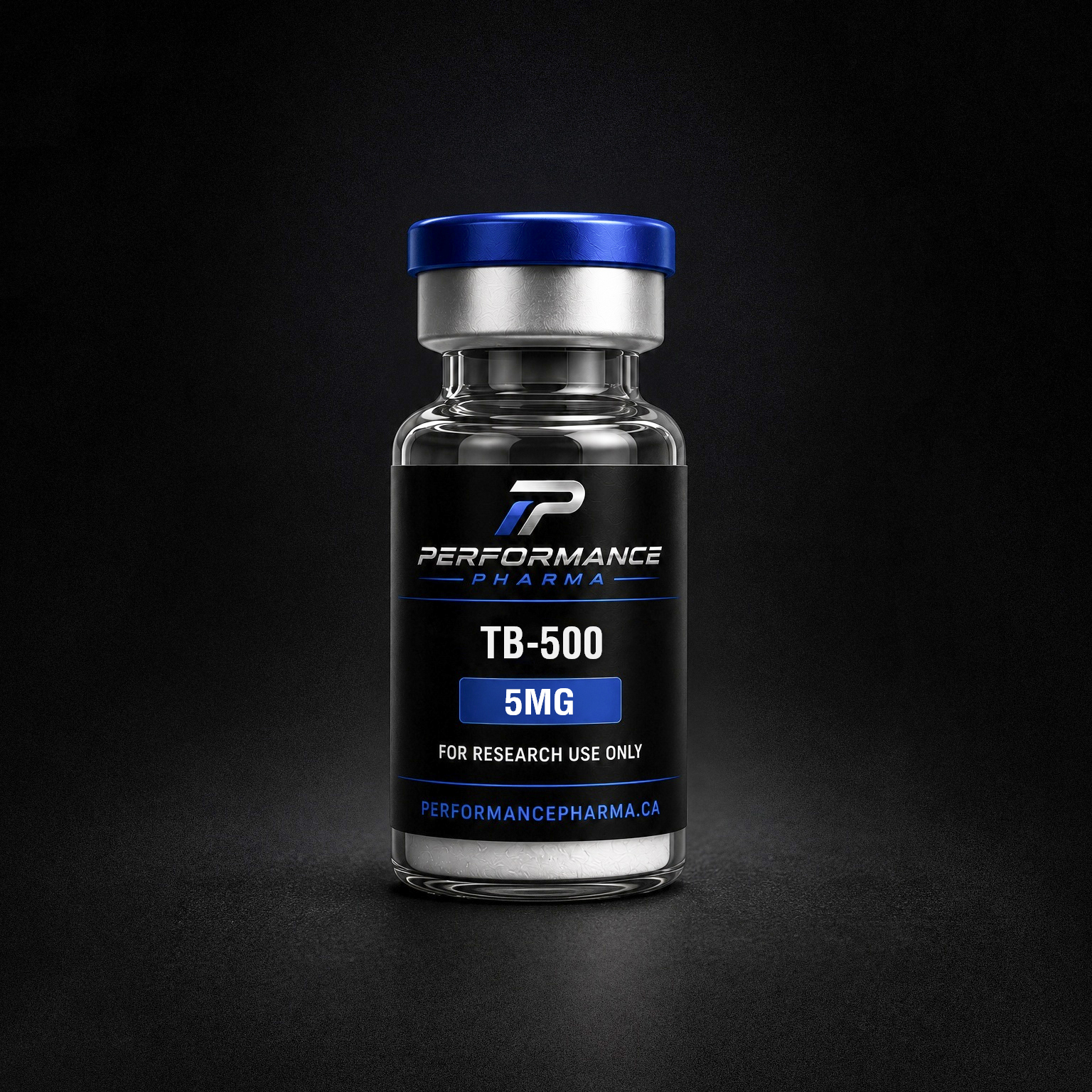
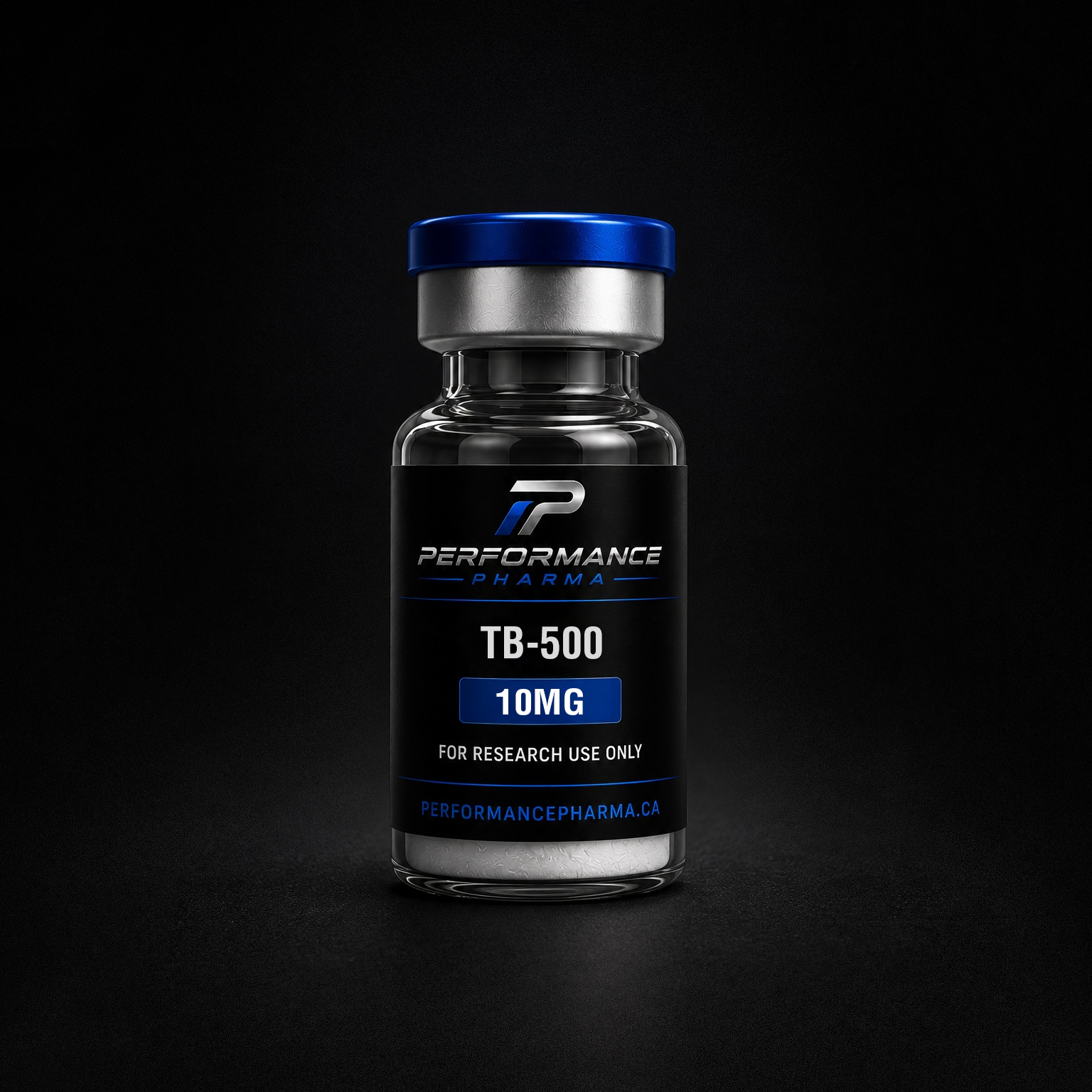
TB-500 – Research Peptide
Price range: $45.00 through $75.00
TB-500 is a synthetic peptide derived from Thymosin Beta-4. Researchers investigate its role in cellular migration, tissue repair processes, flexibility, and recovery-related pathways.
Description
TB-500 is a synthetic peptide derived from the naturally occurring protein thymosin beta-4 (Tβ4), a highly conserved peptide present in nearly all human tissues. Thymosin beta-4 plays an important role in cell migration, tissue remodeling, angiogenesis, and wound healing, making it an important subject of regenerative medicine research.
TB-500 contains the active region of thymosin beta-4 responsible for many of its biological effects and has become widely investigated in experimental models of musculoskeletal injury, tissue repair, inflammation, and vascular regeneration. Although a substantial body of laboratory and animal research exists, well-controlled human clinical studies remain limited.
TB-500 remains an investigational research peptide and has not been approved by major regulatory agencies for clinical use.
Research Overview
Thymosin beta-4 is a naturally occurring peptide involved in numerous cellular processes that contribute to tissue maintenance and repair. It is expressed throughout the body and is rapidly released following tissue injury, where it participates in coordinating cellular responses necessary for healing.
Researchers developed TB-500 to investigate whether the active region of thymosin beta-4 could reproduce many of these biological activities while providing a practical research compound for laboratory investigation.
Experimental studies have explored TB-500 across a broad range of research areas, including tendon and ligament healing, skeletal muscle regeneration, cardiovascular biology, angiogenesis, and inflammatory regulation.
Although preclinical findings have been encouraging, additional human clinical research is required to better understand its biological activity, safety profile, and potential applications.
Mechanism of Action
TB-500 does not function through a single receptor. Instead, it appears to influence multiple cellular pathways involved in tissue repair and regeneration.
Actin Regulation and Cell Migration
One of the primary biological functions of thymosin beta-4 is regulation of actin, a structural protein essential for cell movement.
By influencing actin dynamics, TB-500 may promote:
- Cellular migration
- Tissue remodeling
- Wound repair
- Organization of newly forming tissue
These processes are fundamental components of normal healing.
Angiogenesis
Experimental research suggests TB-500 may support angiogenesis through modulation of vascular signaling pathways.
Formation of new blood vessels is essential for delivering oxygen and nutrients to healing tissues and is considered an important aspect of regenerative biology.
Inflammatory Regulation
Several laboratory studies suggest TB-500 may influence inflammatory responses following tissue injury.
Rather than completely suppressing inflammation, researchers believe the peptide may contribute to coordinated resolution of the normal inflammatory process required for tissue repair.
Tissue Remodeling
Preclinical investigations have demonstrated effects on connective tissue organization, extracellular matrix remodeling, and recovery following musculoskeletal injury.
Researchers continue to investigate how these observations translate across different tissue types.
Current Scientific Research
Current knowledge of TB-500 is derived primarily from laboratory experiments and animal studies, with limited human clinical investigation.
Musculoskeletal Research
TB-500 has been extensively studied in experimental models involving:
- Tendon injury
- Ligament injury
- Skeletal muscle damage
- Connective tissue repair
- Joint injury
Many studies have reported improvements in structural healing and functional recovery compared with untreated controls.
Cardiovascular Research
Because thymosin beta-4 participates in vascular biology, researchers have investigated its potential role in:
- Angiogenesis
- Cardiac tissue repair
- Endothelial cell migration
- Recovery following experimental ischemic injury
These investigations remain largely preclinical.
Regenerative Medicine
TB-500 continues to be investigated within regenerative medicine due to its reported effects on tissue remodeling, cellular migration, and wound healing across multiple organ systems.
Further human clinical studies will be required to determine the clinical significance of these findings.
Potential Research Applications
Current scientific literature is investigating TB-500 in relation to:
- Tendon healing
- Ligament repair
- Skeletal muscle regeneration
- Connective tissue remodeling
- Wound healing
- Angiogenesis
- Cardiovascular biology
- Soft tissue injury
- Regenerative medicine
These represent active areas of scientific investigation and should not be interpreted as established therapeutic indications.
Product Snapshot
Research Category: Regenerative Research Peptide
Derived From: Thymosin Beta-4
Primary Biological Areas of Investigation:
- Cell migration
- Tissue remodeling
- Angiogenesis
- Connective tissue biology
Research Administration Route: Experimental laboratory use
Development Status: Preclinical and early translational research
Evidence Strength: ★★★☆☆
Extensive laboratory and animal research with limited human clinical evidence.
Key Scientific References
Goldstein AL, Kleinman HK. Advances in the Basic and Clinical Applications of Thymosin β4. Expert Opinion on Biological Therapy.
A comprehensive review summarizing the biological functions of thymosin beta-4, including tissue repair, angiogenesis, inflammation, and regenerative medicine research.
Malinda KM, et al. Thymosin β4 Accelerates Wound Healing. Journal of Investigative Dermatology.
One of the earliest landmark studies demonstrating the peptide’s influence on cell migration, angiogenesis, and tissue repair in experimental wound healing models.
Smart N, Risebro CA, Melville AAD, et al. Thymosin β4 Induces Adult Epicardial Progenitor Mobilisation and Neovascularisation. Nature.
An influential study investigating thymosin beta-4 in cardiovascular regeneration and vascular remodeling following experimental cardiac injury.
Bock-Marquette I, et al. Thymosin β4 Activates Integrin-Linked Kinase and Promotes Cardiac Cell Survival. Nature.
A landmark publication describing molecular mechanisms through which thymosin beta-4 may support cardiac tissue repair and cellular survival.
PubMed – Thymosin Beta-4 Research
A continually updated collection of peer-reviewed publications examining thymosin beta-4 and TB-500 across musculoskeletal, cardiovascular, regenerative, and cellular biology research.
Research Use Statement
For Research Use Only.
TB-500 supplied by Performance Pharma is intended exclusively for laboratory and scientific research conducted by qualified professionals. This product is not approved for human or veterinary use and is not intended to diagnose, treat, cure, or prevent any disease. It should be handled, stored, and used in accordance with applicable laws, regulations, and accepted laboratory research practices.
Additional information
| Size | 10MG, 5MG |
|---|
Reviews (0)
Shipping and Delivery


Related products
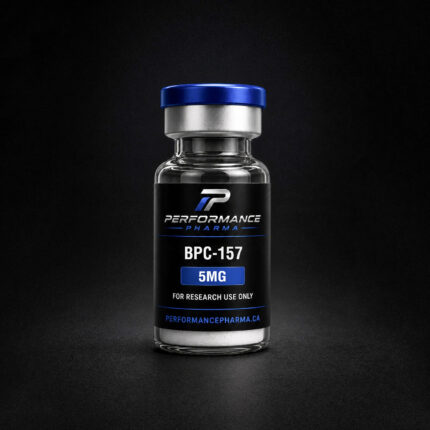
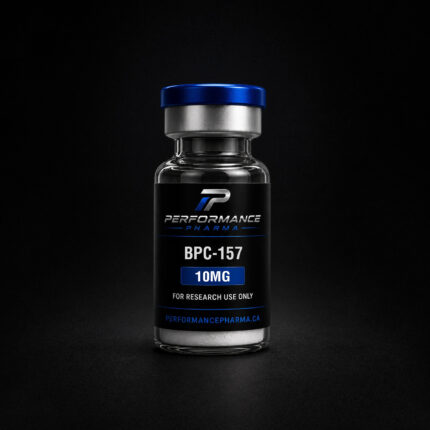
BPC-157 – Research Peptide
Price range: $35.00 through $55.00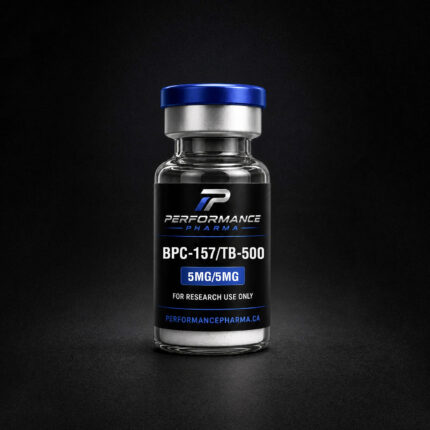
Select options
This product has multiple variants. The options may be chosen on the product page
BPC-157 / TB-500 – Research Peptide Canada
$85.00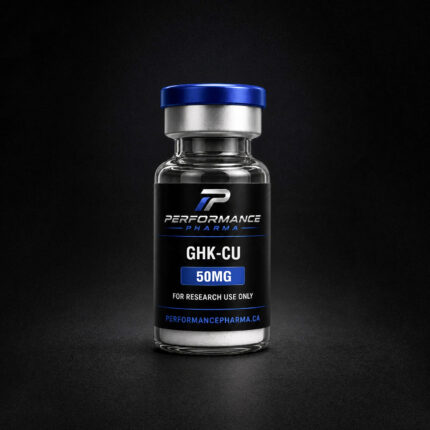
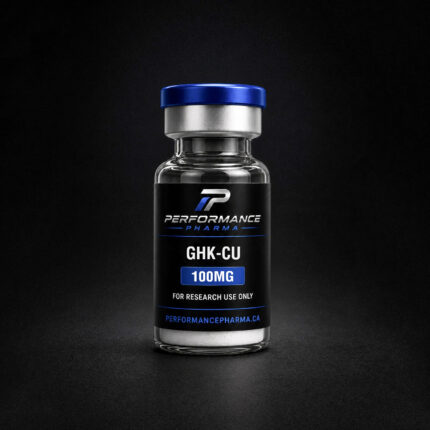
GHK-Cu – Research Peptide
Price range: $40.00 through $60.00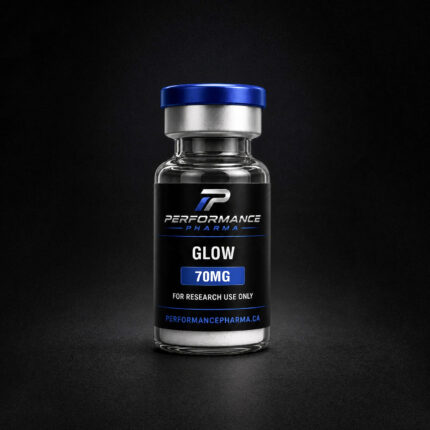
Select options
This product has multiple variants. The options may be chosen on the product page
GLOW – Research Peptide
$100.00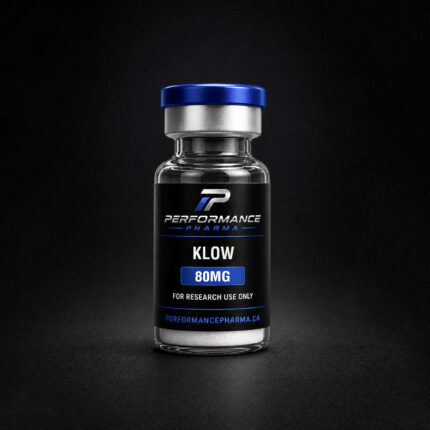
Select options
This product has multiple variants. The options may be chosen on the product page
KLOW – Research Peptide Canada
$110.00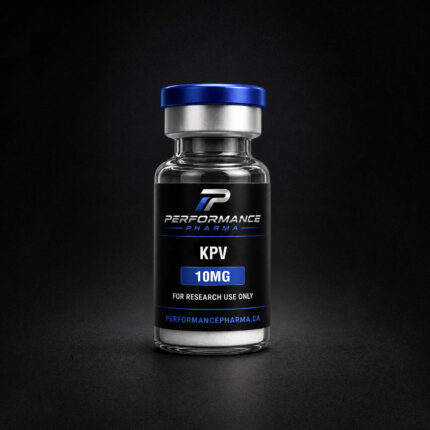
Select options
This product has multiple variants. The options may be chosen on the product page
Reviews
There are no reviews yet.