SAVE 15% OFF ON YOUR FIRST ORDER - USE CODE PERFORM15 AT CHECKOUT

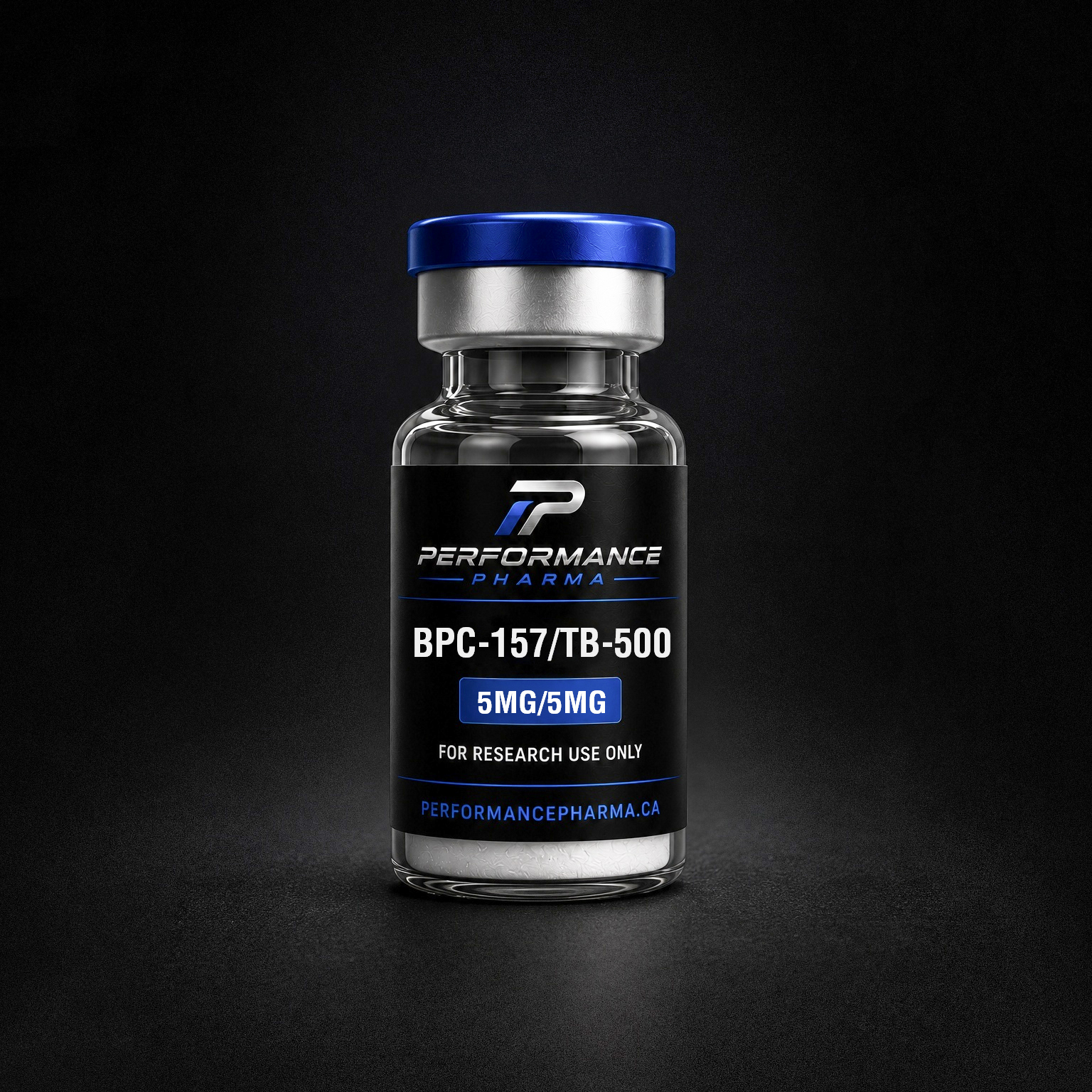
BPC-157 / TB-500 – Research Peptide Canada
$85.00
This popular combination brings together two extensively studied recovery peptides. Researchers frequently utilize this blend when investigating tissue repair, recovery pathways, mobility, and regenerative processes.
Description
BPC-157 / TB-500 is a combination of two investigational research peptides that have independently attracted significant interest in regenerative medicine. BPC-157 is a synthetic pentadecapeptide derived from a naturally occurring gastric protein, while TB-500 is a synthetic peptide based on the active region of thymosin beta-4, a protein involved in tissue repair and cellular migration.
Because the two compounds have distinct but potentially complementary biological mechanisms, researchers frequently investigate them together in experimental models involving connective tissue injury, musculoskeletal repair, angiogenesis, and wound healing. While numerous laboratory and animal studies have evaluated each peptide individually, comparatively little published research has examined the combination directly.
As with both individual compounds, BPC-157 / TB-500 remains an investigational research product and has not been approved by major regulatory agencies for clinical use.
Research Overview
Regenerative medicine focuses on understanding how tissues respond to injury and identifying biological pathways involved in repair and recovery. Rather than targeting endocrine or metabolic systems, BPC-157 and TB-500 are primarily investigated for their effects on tissue remodeling, cellular migration, vascular biology, and inflammatory regulation.
Although the peptides differ structurally and mechanistically, researchers have proposed that combining them may allow simultaneous investigation of multiple pathways involved in the normal healing process.
Current evidence supporting this combination is based largely on the extensive preclinical literature available for each peptide individually. Controlled human studies evaluating the combination remain limited.
Mechanism of Action
BPC-157 and TB-500 influence different biological processes associated with tissue repair.
BPC-157
Experimental studies suggest BPC-157 may influence:
- Angiogenesis
- Nitric oxide signaling
- Connective tissue remodeling
- Gastrointestinal tissue integrity
- Inflammatory signaling
Researchers continue to investigate how these mechanisms contribute to tissue recovery across multiple experimental models.
TB-500
TB-500 is derived from thymosin beta-4 and has been investigated for its ability to influence:
- Cell migration
- Actin dynamics
- Angiogenesis
- Extracellular matrix remodeling
- Tissue regeneration
These pathways are considered important components of normal wound healing and tissue repair.
Complementary Research Rationale
Because the two peptides appear to influence different aspects of regenerative biology, investigators have proposed that studying them together may provide additional insight into coordinated healing responses.
At present, this hypothesis remains an area of active research and has not been definitively established in human clinical studies.
Current Scientific Research
Research involving the BPC-157 / TB-500 combination remains considerably more limited than research involving each peptide independently.
Musculoskeletal Research
Investigators have explored the individual peptides in experimental models involving:
- Tendon injury
- Ligament injury
- Skeletal muscle damage
- Connective tissue repair
- Joint injury
Both compounds have demonstrated encouraging findings in preclinical models, although direct comparative and combination studies remain relatively scarce.
Wound Healing Research
Experimental investigations suggest both peptides may influence angiogenesis, cellular migration, collagen organization, and tissue remodeling—processes fundamental to normal wound healing.
Additional research is required to determine whether combining the peptides produces additive, complementary, or independent biological effects.
Regenerative Medicine
The combination continues to generate scientific interest within regenerative medicine due to the distinct mechanisms proposed for each peptide. Future controlled studies will be necessary to better characterize efficacy, safety, and mechanism.
Potential Research Applications
Current scientific literature supports investigation of BPC-157 and TB-500 in relation to:
- Tendon healing
- Ligament repair
- Skeletal muscle regeneration
- Connective tissue remodeling
- Wound healing
- Angiogenesis
- Soft tissue injury
- Regenerative medicine
- Experimental inflammatory biology
These represent active areas of scientific investigation and should not be interpreted as established therapeutic indications.
Product Snapshot
Research Category: Regenerative Research Peptide Combination
Components:
- BPC-157
- TB-500
Primary Biological Areas of Investigation:
- Connective tissue biology
- Angiogenesis
- Cell migration
- Tissue remodeling
- Regenerative physiology
Research Administration Route: Experimental laboratory use
Development Status: Preclinical and early translational research
Evidence Strength: ★★★☆☆
Strong preclinical evidence for the individual peptides. Direct evidence evaluating the combination remains limited.
Key Scientific References
A comprehensive review summarizing decades of experimental research examining BPC-157 across gastrointestinal, musculoskeletal, vascular, and neurological models.
An authoritative review describing the biological functions of thymosin beta-4, including tissue repair, angiogenesis, inflammation, and regenerative medicine.
Malinda KM, et al. Thymosin β4 Accelerates Wound Healing. Journal of Investigative Dermatology.
A landmark experimental study demonstrating the influence of thymosin beta-4 on cellular migration, angiogenesis, and tissue repair.
A detailed review discussing the proposed biological mechanisms of BPC-157, including vascular signaling, nitric oxide pathways, and connective tissue biology.
PubMed – BPC-157 and Thymosin β4 Research
A continually updated collection of peer-reviewed publications examining both peptides individually across regenerative medicine, soft tissue repair, vascular biology, and experimental healing models.
Research Use Statement
For Research Use Only.
BPC-157 / TB-500 supplied by Performance Pharma is intended exclusively for laboratory and scientific research conducted by qualified professionals. This product is not approved for human or veterinary use and is not intended to diagnose, treat, cure, or prevent any disease. It should be handled, stored, and used in accordance with applicable laws, regulations, and accepted laboratory research practices.
Additional information
| Size | 10MG, 5MG, 5mg/5mg |
|---|
Reviews (0)
Shipping and Delivery


Related products
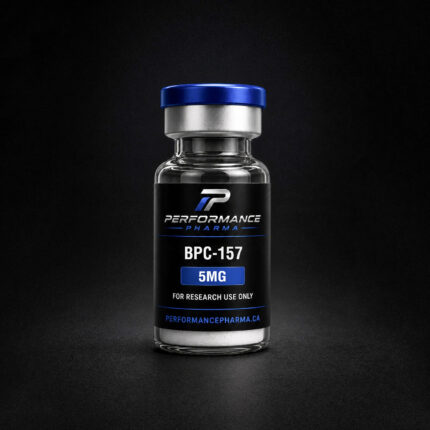
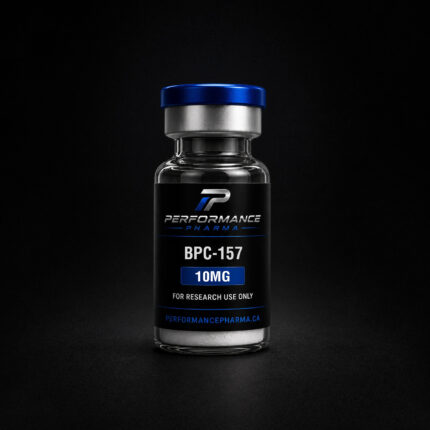
BPC-157 – Research Peptide
Price range: $35.00 through $55.00
GHK-Cu – Research Peptide
Price range: $40.00 through $60.00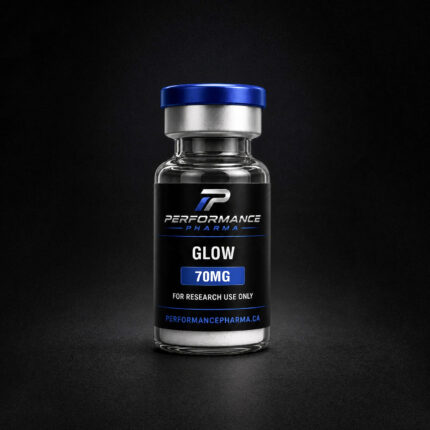
Select options
This product has multiple variants. The options may be chosen on the product page
GLOW – Research Peptide
$100.00
Select options
This product has multiple variants. The options may be chosen on the product page
KLOW – Research Peptide Canada
$110.00
Select options
This product has multiple variants. The options may be chosen on the product page
Reviews
There are no reviews yet.