SAVE 15% OFF ON YOUR FIRST ORDER - USE CODE PERFORM15 AT CHECKOUT

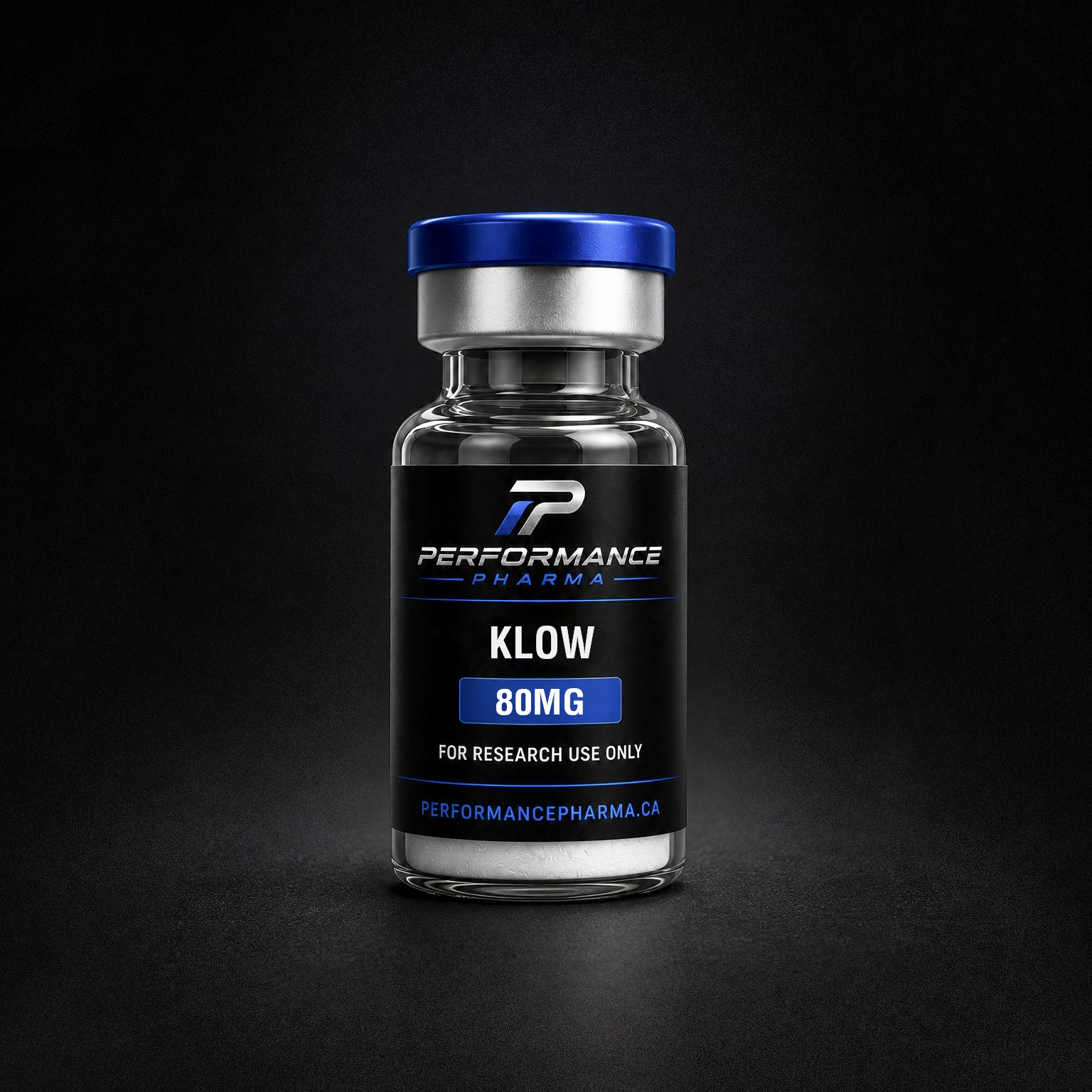
KLOW – Research Peptide Canada
$110.00
KLOW is a specialized peptide blend formulated for body composition and metabolic research. It combines multiple compounds commonly studied for their potential influence on appetite regulation, energy utilization, and metabolic efficiency.
Description
KLOW is a multi-peptide research formulation combining GHK-Cu (50 mg), BPC-157 (10 mg), TB-500 (10 mg), and KPV (10 mg). This combination has attracted research interest because it brings together peptides that have individually been investigated for their roles in tissue biology, inflammatory signaling, extracellular matrix remodeling, angiogenesis, and cellular repair mechanisms.
Rather than acting through a single molecular pathway, KLOW is designed as a multi-target investigational formulation, allowing researchers to study how several complementary biological systems interact during tissue regeneration and recovery. Each peptide contributes distinct mechanisms of action that may collectively influence wound biology, connective tissue physiology, and inflammatory homeostasis.
As with all peptide combinations, the biological effects of KLOW have not been established as the sum of its individual components. Most available scientific literature evaluates each peptide independently, and controlled research examining the complete combination remains limited.
Research Overview
Complex tissue repair involves numerous overlapping biological processes, including inflammation, angiogenesis, collagen synthesis, extracellular matrix remodeling, cellular migration, and immune regulation. Because no single signaling molecule controls every phase of tissue regeneration, researchers have become increasingly interested in studying combinations of peptides that influence complementary pathways.
KLOW combines four well-characterized investigational compounds:
- GHK-Cu – a naturally occurring copper-binding peptide investigated for tissue remodeling, collagen production, and skin biology.
- BPC-157 – a synthetic gastric peptide fragment extensively studied in models of musculoskeletal and gastrointestinal tissue repair.
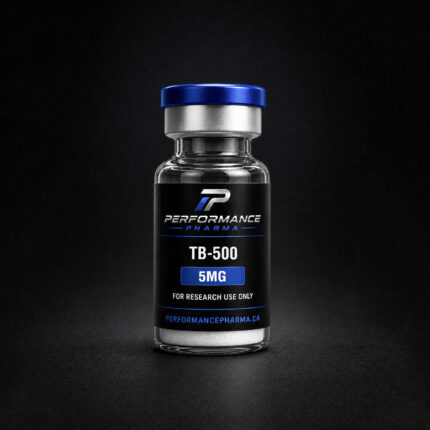
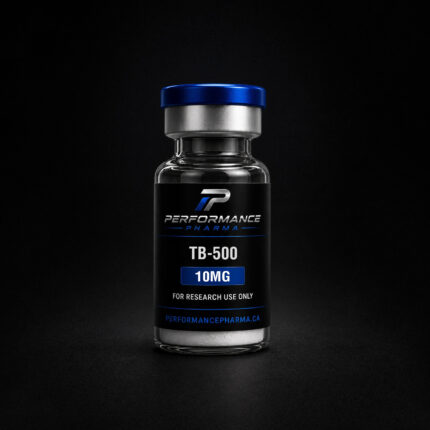
- TB-500 – a synthetic fragment of thymosin beta-4 investigated for cell migration, angiogenesis, and cytoskeletal organization.
- KPV – a tripeptide derived from α-melanocyte-stimulating hormone (α-MSH) studied for its immunomodulatory and anti-inflammatory properties.
Together, these peptides provide researchers with a broad platform for investigating regenerative biology across multiple physiological systems.
Mechanism of Action
KLOW combines peptides with complementary biological activities rather than relying on a single receptor or signaling pathway.
Connective Tissue Remodeling
GHK-Cu has been widely investigated for its ability to influence extracellular matrix turnover and collagen synthesis.
Research has examined its effects on:
- Collagen production
- Elastin formation
- Fibroblast activity
- Matrix metalloproteinase regulation
- Tissue remodeling
These processes are central to connective tissue maintenance and repair.
Cellular Migration and Angiogenesis
TB-500 has been studied for its influence on actin dynamics and cellular movement.
Experimental investigations suggest roles in:
- Cell migration
- Cytoskeletal organization
- Angiogenesis
- Tissue remodeling
- Cellular repair processes
These mechanisms are important during normal wound healing and tissue regeneration.
Tissue Repair Biology
BPC-157 has been investigated across numerous experimental models involving soft tissue, tendon, ligament, muscle, gastrointestinal tissue, and vascular biology.
Current research continues to examine its influence on:
- Angiogenic signaling
- Nitric oxide pathways
- Cellular survival
- Connective tissue repair
- Microvascular function
Inflammatory Regulation
KPV has become an important investigational peptide because of its interactions with inflammatory signaling pathways.
Laboratory studies have examined its influence on:
- Cytokine regulation
- NF-κB signaling
- Innate immune responses
- Intestinal inflammation
- Cutaneous inflammatory pathways
Its inclusion broadens the formulation’s relevance to inflammation-focused research.
Current Scientific Research
Although the KLOW formulation itself has not been extensively studied as a complete combination, each individual component possesses a substantial body of preclinical literature.
Regenerative Medicine Research
Researchers continue investigating combinations of regenerative peptides to better understand how multiple biological pathways interact during tissue healing.
Current areas of interest include:
- Connective tissue regeneration
- Tendon and ligament biology
- Soft tissue recovery
- Extracellular matrix remodeling
- Angiogenesis
Musculoskeletal Physiology
Experimental models have evaluated the individual peptides contained within KLOW across studies involving:
- Skeletal muscle
- Tendons
- Ligaments
- Cartilage
- Bone-associated soft tissues
Further investigation is required to determine whether combined administration produces additive or synergistic biological effects.
Dermatological Research
GHK-Cu and KPV have each attracted considerable attention within dermatological research because of their potential influence on collagen metabolism, inflammatory signaling, and skin homeostasis.
Researchers continue exploring these pathways in models of wound repair and tissue remodeling.
Inflammation and Recovery Biology
The inclusion of KPV alongside regenerative peptides provides researchers with an opportunity to investigate interactions between inflammatory regulation and tissue regeneration—two processes that are closely linked during normal healing.
Potential Research Applications
Current scientific literature supports investigation of the individual peptides contained within KLOW in relation to:
- Connective tissue biology
- Wound healing
- Collagen synthesis
- Angiogenesis
- Extracellular matrix remodeling
- Inflammatory signaling
- Musculoskeletal physiology
- Gastrointestinal tissue biology
- Dermatological research
These represent active areas of scientific investigation and should not be interpreted as established therapeutic indications.
Product Snapshot
Research Category: Multi-Peptide Regenerative Research Formulation
Composition:
- GHK-Cu — 50 mg
- BPC-157 — 10 mg
- TB-500 — 10 mg
- KPV — 10 mg
Primary Biological Areas of Investigation:
- Tissue regeneration
- Connective tissue physiology
- Angiogenesis
- Extracellular matrix remodeling
- Inflammatory regulation
Research Administration Route: Experimental laboratory use
Development Status: Combination formulation composed of individually researched investigational peptides
Evidence Strength: ★★★★☆
Strong preclinical evidence supports the biological activities of the individual peptide components. Direct evidence evaluating the complete KLOW formulation remains limited.
Key Scientific References
Pickart L, Margolina A. Regenerative and Protective Actions of the GHK-Cu Peptide in Tissue Repair. Journal of Biomaterials Science.
A comprehensive review describing GHK-Cu’s role in collagen synthesis, extracellular matrix remodeling, angiogenesis, and skin regeneration.
Sikiric P, Seiwerth S, et al. Stable Gastric Pentadecapeptide BPC-157 in Tissue Healing and Cytoprotection. Current Pharmaceutical Design.
An extensive review summarizing experimental evidence involving BPC-157 across gastrointestinal, musculoskeletal, vascular, and connective tissue research.
Goldstein AL, Kleinman HK. Thymosin Beta-4 and Tissue Repair. Annals of the New York Academy of Sciences.
A foundational review examining thymosin beta-4 biology and the regenerative mechanisms underlying TB-500 research.
Catania A, Lipton JM. Alpha-Melanocyte-Stimulating Hormone Peptides and Regulation of Inflammation. Endocrine Reviews.
An important review describing melanocortin peptides, including KPV, and their roles in inflammatory regulation and immune homeostasis.
PubMed – GHK-Cu, BPC-157, TB-500, and KPV Research
A continually updated collection of peer-reviewed publications examining each component of the formulation across regenerative medicine, tissue biology, inflammation, angiogenesis, and connective tissue physiology.
Research Use Statement
For Research Use Only.
KLOW is intended exclusively for laboratory and scientific research conducted by qualified professionals. This combination formulation is not approved for human or veterinary use and is not intended to diagnose, treat, cure, or prevent any disease. It should be handled, stored, and used in accordance with applicable laws, regulations, and accepted laboratory research practices.
Additional information
| Size | 80MG |
|---|
Reviews (0)
Shipping and Delivery


Related products
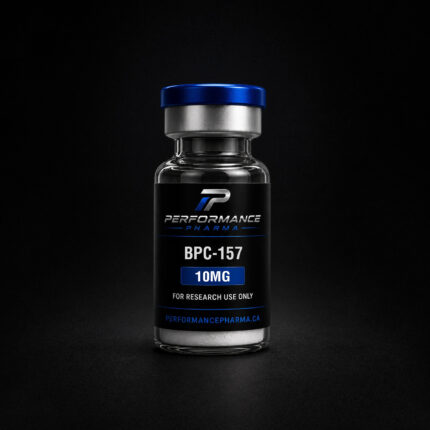
BPC-157 – Research Peptide
Price range: $35.00 through $55.00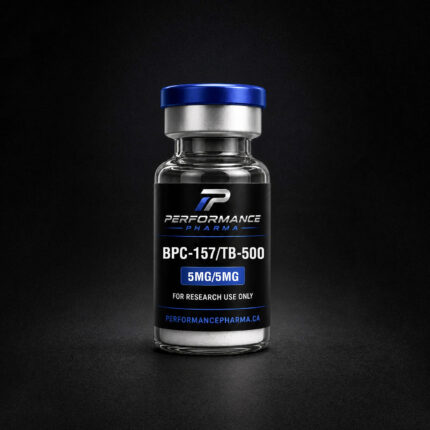
Select options
This product has multiple variants. The options may be chosen on the product page
BPC-157 / TB-500 – Research Peptide Canada
$85.00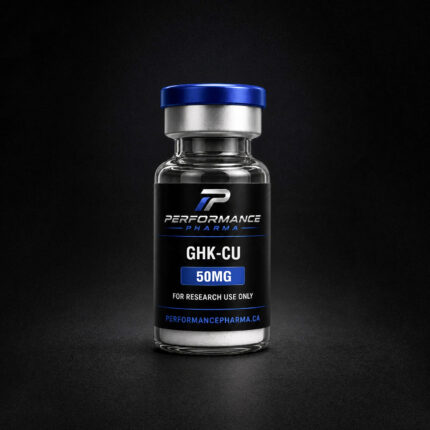
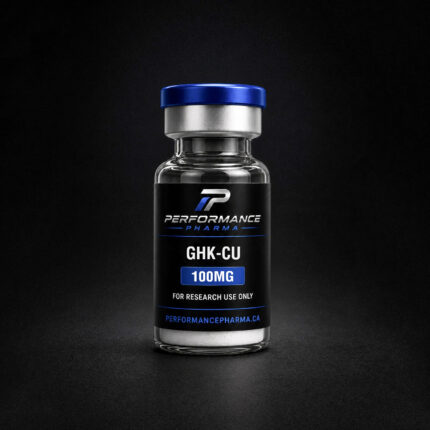
GHK-Cu – Research Peptide
Price range: $40.00 through $60.00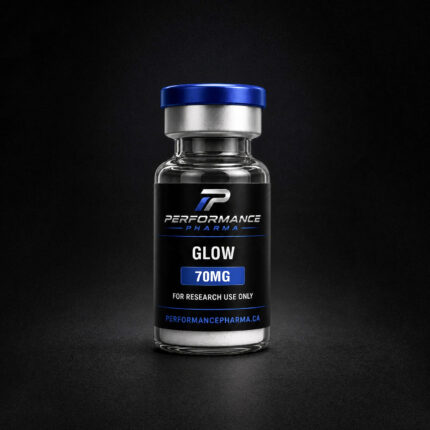
Select options
This product has multiple variants. The options may be chosen on the product page
GLOW – Research Peptide
$100.00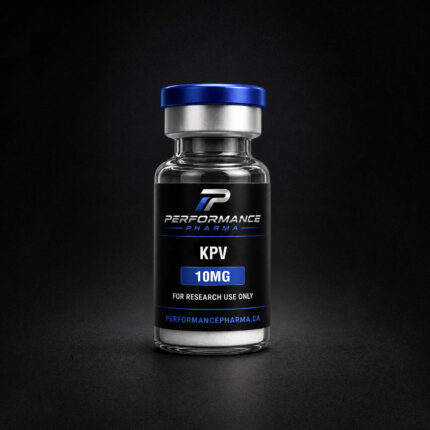
Select options
This product has multiple variants. The options may be chosen on the product page
Reviews
There are no reviews yet.