SAVE 15% OFF ON YOUR FIRST ORDER - USE CODE PERFORM15 AT CHECKOUT

Retatrutide – Research Peptide Canada
Price range: $70.00 through $250.00
TB-500 – Research Peptide
Price range: $45.00 through $75.00
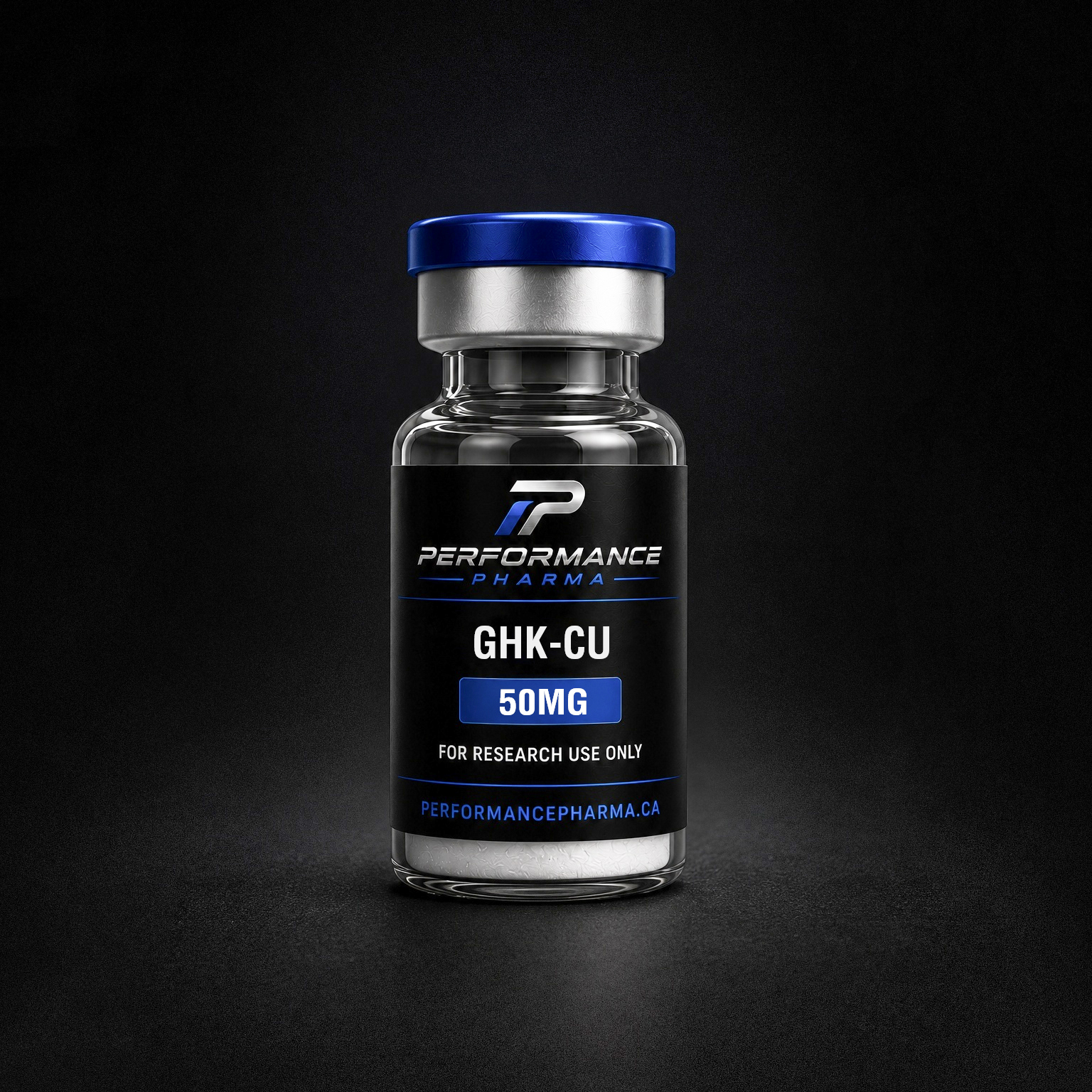
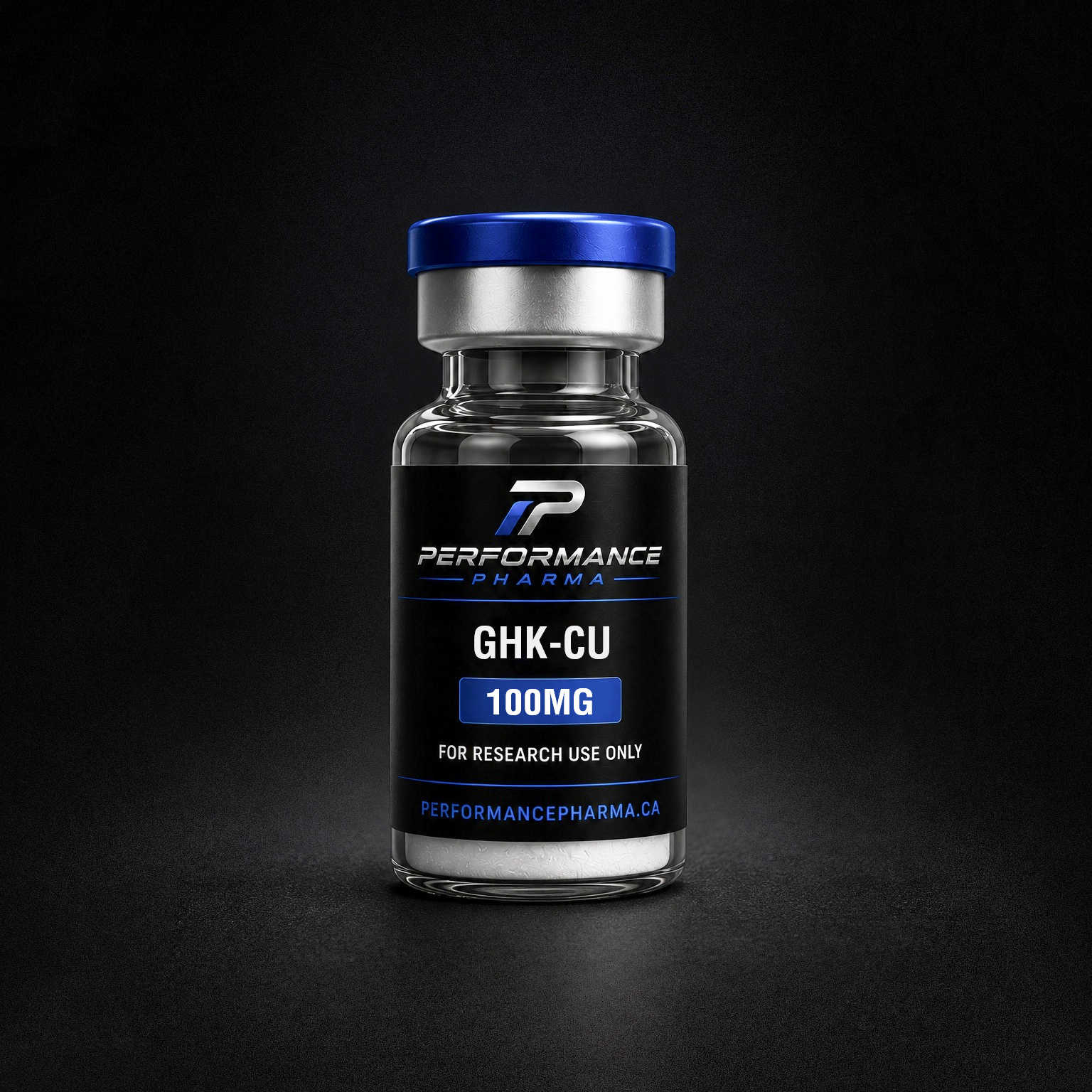
GHK-Cu – Research Peptide
Price range: $40.00 through $60.00
GHK-Cu is a naturally occurring copper-binding peptide found in human plasma. It is widely studied for its involvement in tissue remodeling, skin biology, collagen production, and regenerative research applications.
Description
GHK-Cu (Glycyl-L-histidyl-L-lysine copper) is a naturally occurring copper-binding tripeptide first identified in human plasma during research investigating factors involved in tissue repair and healthy aging. Since its discovery in the early 1970s, GHK-Cu has become one of the most extensively studied regenerative peptides due to its reported effects on wound healing, extracellular matrix remodeling, collagen synthesis, and skin biology.
GHK-Cu occurs naturally in human plasma, saliva, and urine, with concentrations that gradually decline with age. This observation has led researchers to investigate its potential role in maintaining normal tissue homeostasis and supporting the body’s natural repair processes.
Although GHK-Cu has been investigated across a wide range of laboratory and clinical settings, many proposed biological effects continue to be actively studied.
Research Overview
Copper is an essential trace element involved in numerous biological processes, including collagen formation, antioxidant defense, connective tissue maintenance, and cellular respiration. GHK functions as a naturally occurring carrier peptide that binds copper ions and facilitates their biological activity within tissues.
Research over the past several decades has shown that GHK-Cu influences multiple cellular pathways involved in tissue remodeling rather than acting through a single receptor or signaling pathway. Experimental studies have examined its effects on skin regeneration, wound healing, hair follicle biology, inflammation, and extracellular matrix turnover.
Because of its broad biological activity and naturally occurring origin, GHK-Cu has become an important research tool for studying regenerative physiology and age-related changes in connective tissue.
Mechanism of Action
Unlike many peptide hormones, GHK-Cu does not primarily function through endocrine receptors. Instead, it appears to influence numerous cellular processes involved in tissue maintenance and repair.
Collagen and Extracellular Matrix Remodeling
One of the best-characterized properties of GHK-Cu is its influence on extracellular matrix biology.
Experimental studies suggest GHK-Cu may:
- Support collagen synthesis
- Promote elastin production
- Influence glycosaminoglycan formation
- Assist normal extracellular matrix remodeling
These processes are essential for maintaining connective tissue integrity.
Wound Healing
Laboratory investigations have demonstrated that GHK-Cu may influence several stages of the normal wound healing process by supporting:
- Fibroblast activity
- Keratinocyte migration
- Angiogenesis
- Tissue remodeling
Researchers continue to investigate the molecular pathways responsible for these observations.
Gene Regulation
Modern genomic studies suggest that GHK-Cu may influence the expression of numerous genes involved in tissue repair, antioxidant defense, and inflammatory regulation.
Rather than acting on a single target, GHK-Cu appears to produce coordinated effects across multiple biological pathways.
Antioxidant and Anti-Inflammatory Activity
Experimental research has reported that GHK-Cu may help regulate oxidative stress and inflammatory signaling in damaged tissues. These findings continue to be explored as potential contributors to its regenerative profile.
Current Scientific Research
GHK-Cu has been investigated through laboratory studies, animal models, and a number of human clinical studies, particularly in dermatological research.
Skin Biology
Numerous investigations have evaluated GHK-Cu in relation to:
- Skin remodeling
- Collagen production
- Skin elasticity
- Photodamaged skin
- Connective tissue maintenance
These studies have established GHK-Cu as one of the most extensively researched regenerative peptides in dermatology.
Wound Healing Research
Experimental models have demonstrated improved wound closure, angiogenesis, and connective tissue organization following GHK-Cu administration, supporting continued investigation into tissue repair mechanisms.
Hair Biology
Researchers have also explored GHK-Cu in experimental models involving hair follicle biology and scalp physiology. Although preliminary findings have generated interest, additional controlled clinical research remains necessary.
Regenerative Medicine
Current investigations continue to evaluate GHK-Cu across multiple fields, including regenerative medicine, biomaterials, tissue engineering, and age-related connective tissue changes.
Potential Research Applications
Current scientific literature is investigating GHK-Cu in relation to:
- Skin biology
- Collagen synthesis
- Wound healing
- Connective tissue remodeling
- Hair follicle biology
- Angiogenesis
- Tissue engineering
- Healthy aging
- Oxidative stress
These represent active areas of scientific investigation and should not be interpreted as established therapeutic indications.
Product Snapshot
Research Category: Copper-Binding Regenerative Peptide
Alternative Name: Glycyl-L-histidyl-L-lysine Copper
Primary Biological Areas of Investigation:
- Extracellular matrix remodeling
- Collagen synthesis
- Wound healing
- Tissue regeneration
- Skin biology
Research Administration Route: Experimental laboratory use
Development Status: Extensive laboratory, translational, and early clinical research
Evidence Strength: ★★★★☆
Strong laboratory evidence supported by animal studies and multiple human investigations in dermatological research.
Key Scientific References
Pickart L, Thaler MM. Tripeptide in Human Serum Which Prolongs the Survival of Normal Liver Cells and Stimulates Growth in Neoplastic Liver. Nature New Biology. 1973.
The landmark publication describing the discovery of GHK, establishing the foundation for decades of research into its biological activity and regenerative properties.
Pickart L, Margolina A. Regenerative and Protective Actions of the GHK-Cu Peptide in the Light of the New Gene Data. International Journal of Molecular Sciences. 2018.
A comprehensive review summarizing modern genomic research demonstrating that GHK-Cu influences numerous genes involved in tissue repair, antioxidant defense, and connective tissue remodeling.
Maquart FX, et al. Stimulation of Collagen Synthesis in Fibroblast Cultures by the Tripeptide-Copper Complex GHK-Cu. FEBS Letters.
A foundational study demonstrating the peptide’s influence on collagen production and connective tissue biology.
Pickart L. The Human Tripeptide GHK and Tissue Remodeling. Journal of Biomaterials Science.
An important review examining the biological mechanisms of GHK-Cu across wound healing, skin regeneration, and extracellular matrix remodeling.
PubMed – GHK-Cu Research
A continually updated collection of peer-reviewed publications covering GHK-Cu research in dermatology, regenerative medicine, connective tissue biology, wound healing, and healthy aging.
Research Use Statement
For Research Use Only.
GHK-Cu supplied by Performance Pharma is intended exclusively for laboratory and scientific research conducted by qualified professionals. This product is not approved for human or veterinary use and is not intended to diagnose, treat, cure, or prevent any disease. It should be handled, stored, and used in accordance with applicable laws, regulations, and accepted laboratory research practices.
Additional information
| Size | 100MG, 50MG |
|---|
Reviews (0)
Shipping and Delivery


Related products
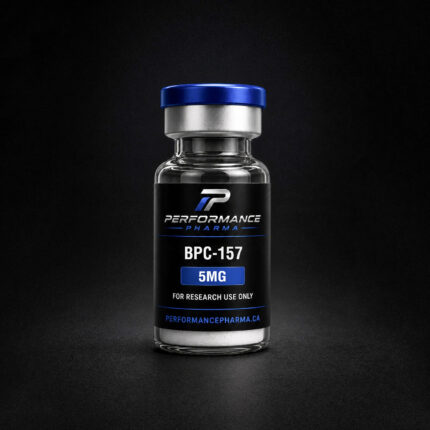
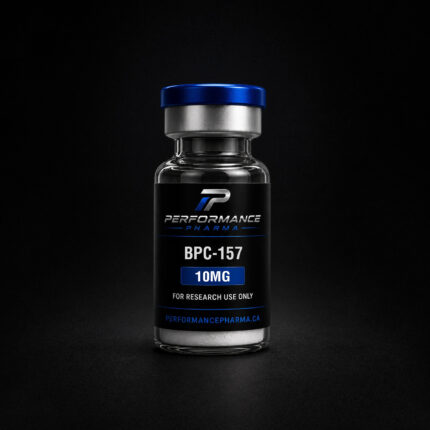
BPC-157 – Research Peptide
Price range: $35.00 through $55.00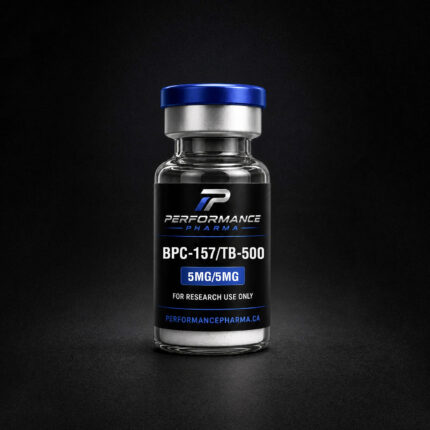
Select options
This product has multiple variants. The options may be chosen on the product page
BPC-157 / TB-500 – Research Peptide Canada
$85.00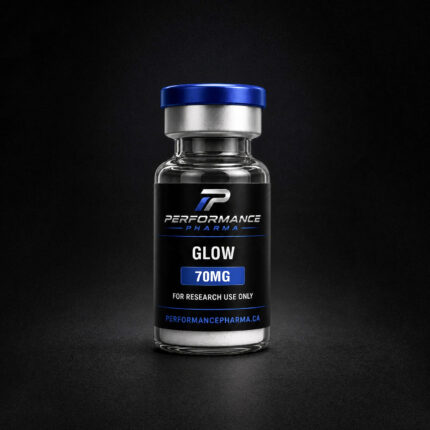
Select options
This product has multiple variants. The options may be chosen on the product page
GLOW – Research Peptide
$100.00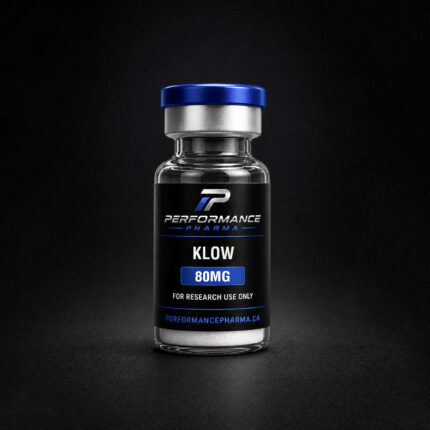
Select options
This product has multiple variants. The options may be chosen on the product page
KLOW – Research Peptide Canada
$110.00
Select options
This product has multiple variants. The options may be chosen on the product page
Reviews
There are no reviews yet.