SAVE 15% OFF ON YOUR FIRST ORDER - USE CODE PERFORM15 AT CHECKOUT

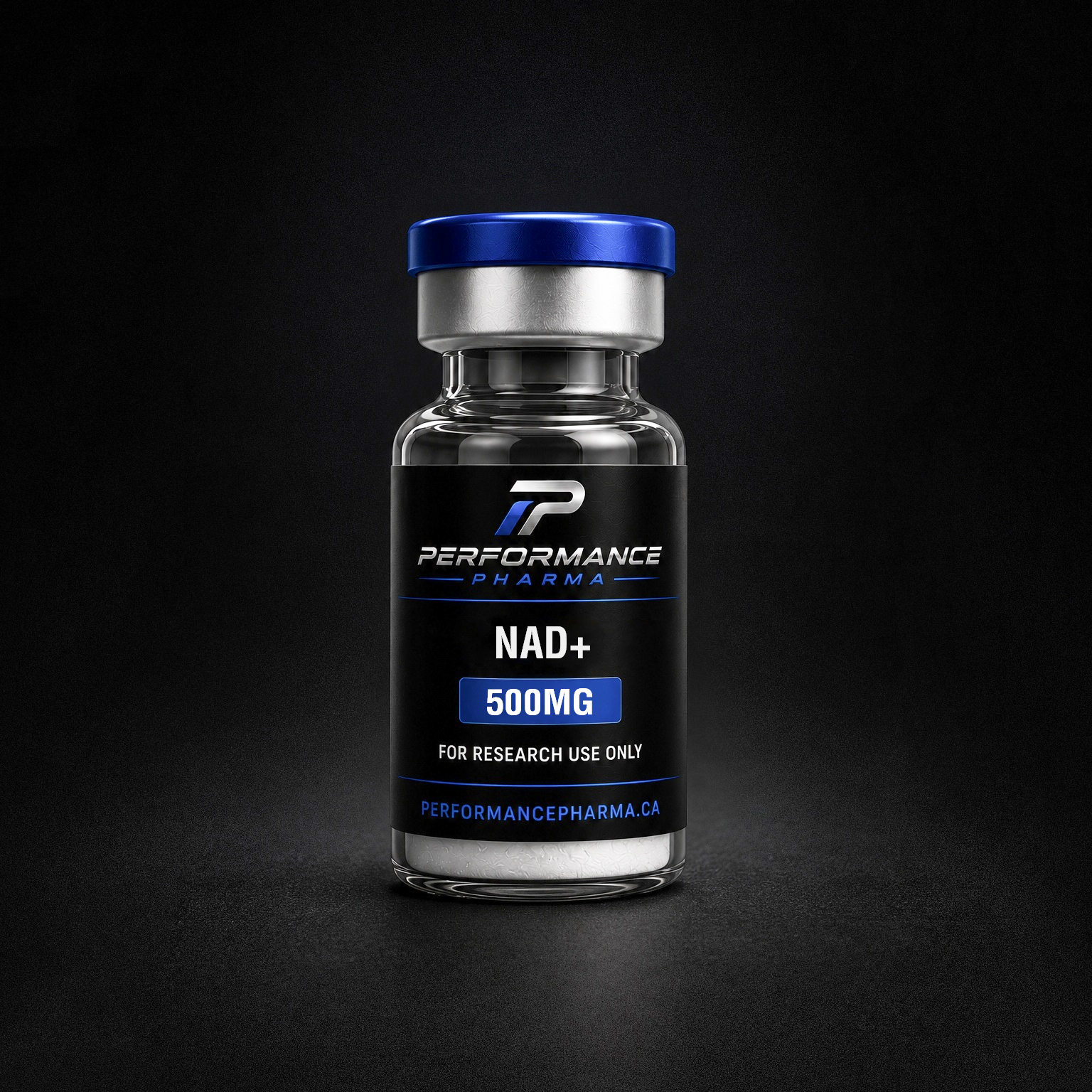
NAD+ – Research Peptide
Price range: $50.00 through $80.00
Nicotinamide Adenine Dinucleotide (NAD+) is an essential coenzyme present in all living cells. Research involving NAD+ focuses on cellular energy production, mitochondrial function, DNA repair mechanisms, and healthy aging processes.
Description
Nicotinamide adenine dinucleotide (NAD⁺) is an essential coenzyme present in every living cell, where it serves a fundamental role in energy production, cellular metabolism, DNA repair, and intracellular signaling. As a central component of numerous biochemical pathways, NAD⁺ has become one of the most intensively studied molecules in modern aging, metabolic, and mitochondrial research.
Interest in NAD⁺ has increased substantially following discoveries linking declining intracellular NAD⁺ concentrations with aging, impaired mitochondrial function, reduced genomic stability, and metabolic dysfunction. Researchers continue to investigate how maintaining or restoring NAD⁺ availability may influence cellular resilience and the biological processes associated with healthy aging.
Although NAD⁺ biology is well established, many strategies aimed at modifying intracellular NAD⁺ levels remain investigational, and ongoing clinical research continues to evaluate their physiological significance.
Research Overview
NAD⁺ is a naturally occurring dinucleotide composed of adenine and nicotinamide. It functions as a critical coenzyme in hundreds of enzymatic reactions, particularly those involved in oxidation-reduction (redox) reactions that generate cellular energy.
Beyond its classical role in metabolism, NAD⁺ also serves as a substrate for several important enzyme families, including sirtuins (SIRT1–7), poly(ADP-ribose) polymerases (PARPs), and CD38, all of which influence DNA repair, cellular stress responses, inflammation, and mitochondrial homeostasis.
Numerous experimental studies have demonstrated that intracellular NAD⁺ levels decline with age in multiple tissues. This observation has driven extensive research into the mechanisms regulating NAD⁺ metabolism and its potential contribution to age-related physiological changes.
Mechanism of Action
Unlike receptor-targeting peptides, NAD⁺ functions as a ubiquitous intracellular coenzyme supporting multiple interconnected biological systems.
Cellular Energy Production
NAD⁺ serves as an essential electron carrier during glycolysis, the tricarboxylic acid (TCA) cycle, and oxidative phosphorylation.
These pathways are responsible for:
- ATP production
- Cellular respiration
- Mitochondrial energy metabolism
- Redox balance
Without adequate NAD⁺ availability, normal cellular energy production cannot be maintained.
Sirtuin Activation
Sirtuins are NAD⁺-dependent enzymes involved in regulating:
- Mitochondrial biogenesis
- Cellular stress resistance
- Inflammatory signaling
- Metabolic adaptation
- Healthy aging
Because sirtuin activity depends directly upon intracellular NAD⁺ concentrations, researchers continue investigating this relationship across numerous experimental models.
DNA Repair
NAD⁺ functions as a substrate for PARP enzymes that detect and repair DNA damage.
Experimental studies suggest that declining NAD⁺ availability may influence genomic maintenance by limiting PARP activity under conditions of cellular stress.
Mitochondrial Function
Mitochondria rely heavily on NAD⁺ to support efficient oxidative metabolism.
Current research suggests maintaining adequate NAD⁺ levels may influence:
- Electron transport chain activity
- ATP synthesis
- Reactive oxygen species regulation
- Mitochondrial quality control
These remain active areas of mitochondrial biology research.
Current Scientific Research
NAD⁺ has been investigated extensively through laboratory research, animal studies, and an expanding number of human clinical investigations.
Aging Biology
One of the principal focuses of NAD⁺ research is its relationship with biological aging.
Investigators continue studying how age-associated declines in NAD⁺ influence:
- Cellular senescence
- Mitochondrial dysfunction
- DNA repair capacity
- Metabolic resilience
These findings have contributed significantly to modern geroscience.
Metabolic Research
Researchers have explored NAD⁺ metabolism in relation to:
- Glucose homeostasis
- Lipid metabolism
- Insulin sensitivity
- Hepatic metabolism
- Skeletal muscle physiology
Further studies continue to clarify the role of NAD⁺ in systemic metabolic regulation.
Neurodegenerative Research
Experimental investigations have examined NAD⁺ biology in models of neurodegeneration and neuronal aging, with particular emphasis on mitochondrial function, oxidative stress, and neuronal survival.
Exercise and Recovery Research
Because skeletal muscle requires substantial ATP production, NAD⁺ has become an important subject of research examining exercise physiology, mitochondrial adaptation, and recovery following metabolic stress.
Potential Research Applications
Current scientific literature is investigating NAD⁺ in relation to:
- Cellular energy metabolism
- Mitochondrial biology
- Healthy aging
- DNA repair
- Sirtuin signaling
- Metabolic physiology
- Neurodegenerative disease models
- Skeletal muscle physiology
- Oxidative stress
These represent active areas of scientific investigation and should not be interpreted as established therapeutic indications.
Product Snapshot
Research Category: Cellular Metabolism and Mitochondrial Research Molecule
Alternative Name: Nicotinamide Adenine Dinucleotide (Oxidized Form)
Primary Biological Areas of Investigation:
- Cellular bioenergetics
- Mitochondrial function
- Sirtuin biology
- DNA repair
- Healthy aging
Research Administration Route: Experimental laboratory use
Development Status: Extensive laboratory, translational, and clinical research
Evidence Strength: ★★★★★
Extensive mechanistic, preclinical, and human clinical evidence supports NAD⁺ as a central regulator of cellular metabolism and mitochondrial physiology.
Key Scientific References
Yoshino J, Baur JA, Imai SI. NAD⁺ Intermediates: The Biology and Therapeutic Potential of NAD⁺ Metabolism. Cell Metabolism. 2018.
A landmark review describing NAD⁺ biosynthesis, metabolism, and its role in aging, mitochondrial function, and metabolic health.
Verdin E. NAD⁺ in Aging, Metabolism, and Neurodegeneration. Science.
An authoritative review summarizing how NAD⁺ regulates sirtuins, mitochondrial function, DNA repair, and age-related physiological processes.
Cantó C, Menzies KJ, Auwerx J. NAD⁺ Metabolism and the Control of Energy Homeostasis. Nature Reviews Molecular Cell Biology.
A comprehensive review examining the relationship between NAD⁺ metabolism, mitochondrial bioenergetics, and cellular energy regulation.
Covarrubias AJ, Perrone R, Grozio A, Verdin E. NAD⁺ Metabolism and Its Roles in Cellular Processes During Ageing. Nature Reviews Molecular Cell Biology.
An influential review discussing NAD⁺ biology across DNA repair, inflammation, mitochondrial homeostasis, and healthy aging.
PubMed – NAD⁺ Research
A continually updated collection of peer-reviewed publications examining NAD⁺ across cellular metabolism, mitochondrial physiology, aging biology, neurodegeneration, exercise physiology, and metabolic research.
Research Use Statement
For Research Use Only.
NAD⁺ supplied by Performance Pharma is intended exclusively for laboratory and scientific research conducted by qualified professionals. This product is not approved for human or veterinary use and is not intended to diagnose, treat, cure, or prevent any disease. It should be handled, stored, and used in accordance with applicable laws, regulations, and accepted laboratory research practices.
Additional information
| Size | 500MG, 1000MG |
|---|
Reviews (0)
Shipping and Delivery


Related products
Select options
This product has multiple variants. The options may be chosen on the product page
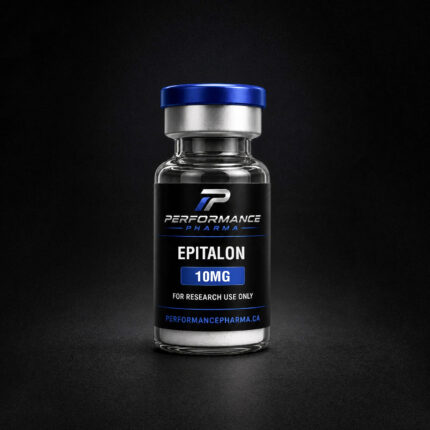
Epitalon – Research Peptide
$45.00
Sold out
Select options
This product has multiple variants. The options may be chosen on the product page
Reviews
There are no reviews yet.