SAVE 15% OFF ON YOUR FIRST ORDER - USE CODE PERFORM15 AT CHECKOUT


SS-31 – Research Peptide
$75.00

NAD+ – Research Peptide
Price range: $50.00 through $80.00
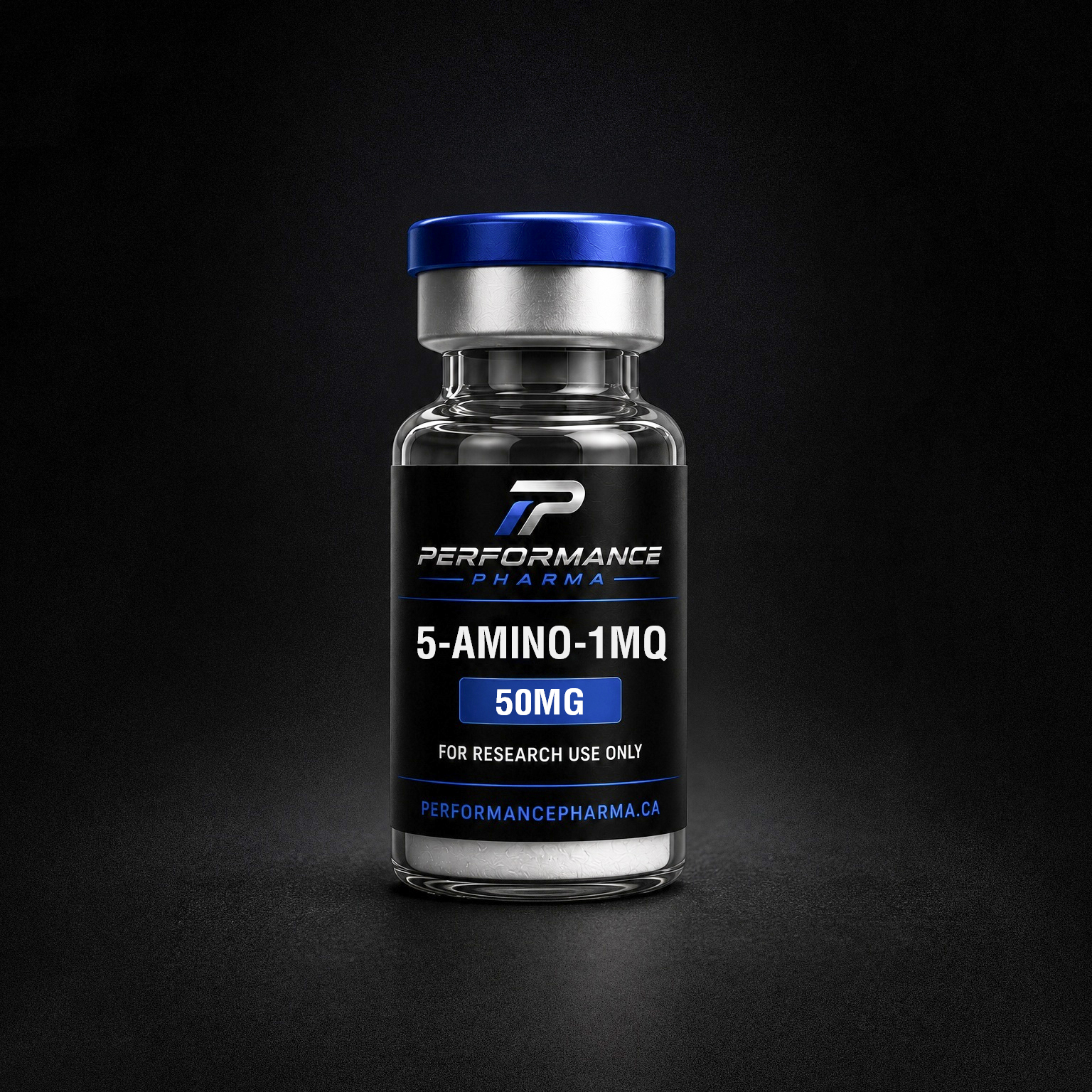
5-Amino-1MQ – Research Peptide Canada
$90.00
5-Amino-1MQ is a small molecule compound frequently included alongside peptide-based research protocols. It is investigated for its interaction with nicotinamide N-methyltransferase (NNMT) and its potential role in metabolic studies.
Description
5-Amino-1MQ (5-Amino-1-methylquinolinium) is a small-molecule nicotinamide N-methyltransferase (NNMT) inhibitor that has attracted growing scientific interest in metabolic research. Unlike peptide-based compounds that act primarily through hormone receptors, 5-Amino-1MQ targets an intracellular enzyme involved in cellular energy metabolism, adipocyte function, and methylation pathways.
Research into NNMT has expanded considerably over the past decade as investigators have explored its potential role in obesity, insulin resistance, and age-related metabolic dysfunction. By inhibiting NNMT activity, 5-Amino-1MQ has become an important experimental compound for studying energy expenditure, fat metabolism, and metabolic regulation at the cellular level.
Although promising preclinical findings have been reported, research involving 5-Amino-1MQ remains in relatively early stages, and additional human clinical studies are required to further define its biological effects.
Research Overview
Nicotinamide N-methyltransferase (NNMT) is an intracellular enzyme that catalyzes the methylation of nicotinamide, a key component of vitamin B3 metabolism. Beyond its role in nicotinamide metabolism, NNMT has emerged as an important regulator of cellular energy balance and methyl donor utilization.
Elevated NNMT expression has been observed in adipose tissue and other metabolically active tissues in several experimental models of obesity and metabolic dysfunction. These findings have prompted researchers to investigate whether reducing NNMT activity may influence fat accumulation and improve metabolic efficiency.
5-Amino-1MQ was developed as a selective NNMT inhibitor for laboratory research, allowing investigators to study how modulation of this enzyme affects energy metabolism and adipocyte biology.
Mechanism of Action
5-Amino-1MQ functions by selectively inhibiting nicotinamide N-methyltransferase (NNMT).
NNMT Inhibition
NNMT converts nicotinamide into 1-methylnicotinamide using S-adenosyl-L-methionine (SAM) as a methyl donor. Inhibition of this enzyme alters intracellular nicotinamide metabolism and may influence multiple metabolic pathways.
Energy Metabolism
Experimental studies suggest NNMT inhibition may:
- Increase cellular energy expenditure
- Improve metabolic efficiency
- Influence mitochondrial function
- Alter adipocyte metabolism
These effects remain under active investigation and have primarily been demonstrated in laboratory and animal studies.
NAD⁺ Metabolism
Because NNMT participates in nicotinamide metabolism, inhibition may influence intracellular NAD⁺ availability. NAD⁺ plays a central role in cellular energy production, DNA repair, and mitochondrial function, making this pathway an important focus of ongoing research.
Adipose Tissue Biology
Preclinical studies have suggested that NNMT inhibition may reduce lipid accumulation within adipocytes while promoting pathways associated with increased energy utilization. Researchers continue to investigate how these observations translate to whole-body metabolism.
Current Scientific Research
Research involving 5-Amino-1MQ remains primarily preclinical, with growing interest in its potential metabolic effects.
Obesity Research
Experimental models have demonstrated reductions in adiposity and improvements in metabolic parameters following pharmacological inhibition of NNMT. These findings have supported continued investigation into NNMT as a therapeutic target.
Insulin Sensitivity
Several laboratory studies suggest that modulation of NNMT activity may improve insulin sensitivity through effects on adipose tissue metabolism and cellular energy regulation.
Mitochondrial Function
Researchers are investigating whether changes in NAD⁺ metabolism and cellular methylation influence mitochondrial performance and overall metabolic health.
Future Clinical Research
Although mechanistic evidence is encouraging, well-designed human clinical trials are needed to establish the efficacy, safety, and long-term biological effects of NNMT inhibition.
Potential Research Applications
Current scientific literature is investigating 5-Amino-1MQ in relation to:
- Obesity
- Adipose tissue biology
- Energy metabolism
- Insulin resistance
- Metabolic syndrome
- NAD⁺ metabolism
- Mitochondrial function
- Healthy aging
- Cellular methylation pathways
These represent active areas of scientific investigation and should not be interpreted as established therapeutic indications.
Product Snapshot
Research Category: NNMT Inhibitor
Primary Molecular Target:
- Nicotinamide N-Methyltransferase (NNMT)
Research Administration Route: Experimental laboratory use
Development Status: Preclinical research
Evidence Strength: ★★★☆☆
Strong mechanistic and animal research supported by expanding translational investigation. Human clinical evidence remains limited.
Key Scientific References
Kraus D, Yang Q, Kong D, et al. Nicotinamide N-Methyltransferase Knockdown Protects Against Diet-Induced Obesity. Nature. 2014.
This landmark study identified NNMT as a regulator of energy metabolism and demonstrated that reducing NNMT activity protected experimental models against diet-induced obesity, establishing the enzyme as a promising metabolic research target.
Neelakantan H, et al. Selective Nicotinamide N-Methyltransferase Inhibition as a Strategy for Metabolic Disease Research. Biochemical Pharmacology.
This research describes the development and characterization of selective NNMT inhibitors, providing important mechanistic insight into enzyme inhibition and metabolic regulation.
Kannt A, et al. Targeting Nicotinamide N-Methyltransferase in Metabolic Disease. Trends in Endocrinology & Metabolism.
A comprehensive review examining the biological functions of NNMT, its role in metabolic disease, and the therapeutic potential of NNMT inhibition.
Ulanovskaya OA, et al. NNMT Promotes Epigenetic Remodeling in Cancer by Creating a Metabolic Methylation Sink. Nature Chemical Biology.
Although focused on oncology, this influential study significantly advanced understanding of NNMT biology and its broader effects on cellular metabolism and methylation.
PubMed – Nicotinamide N-Methyltransferase (NNMT)
An extensive collection of peer-reviewed publications examining NNMT biology, metabolic regulation, obesity research, and experimental enzyme inhibition.
Research Use Statement
For Research Use Only.
5-Amino-1MQ supplied by Performance Pharma is intended exclusively for laboratory and scientific research conducted by qualified professionals. This product is not approved for human or veterinary use and is not intended to diagnose, treat, cure, or prevent any disease. It should be handled, stored, and used in accordance with applicable laws, regulations, and accepted laboratory research practices.
Additional information
| Size | 50MG |
|---|
Reviews (0)
Shipping and Delivery


Related products
MOTS-C – Research Peptide
Price range: $40.00 through $120.00
-13%
Select options
This product has multiple variants. The options may be chosen on the product page
Reviews
There are no reviews yet.