SAVE 15% OFF ON YOUR FIRST ORDER - USE CODE PERFORM15 AT CHECKOUT




BPC-157 – Research Peptide
Price range: $35.00 through $55.00

Selank – Research Peptide
$55.00
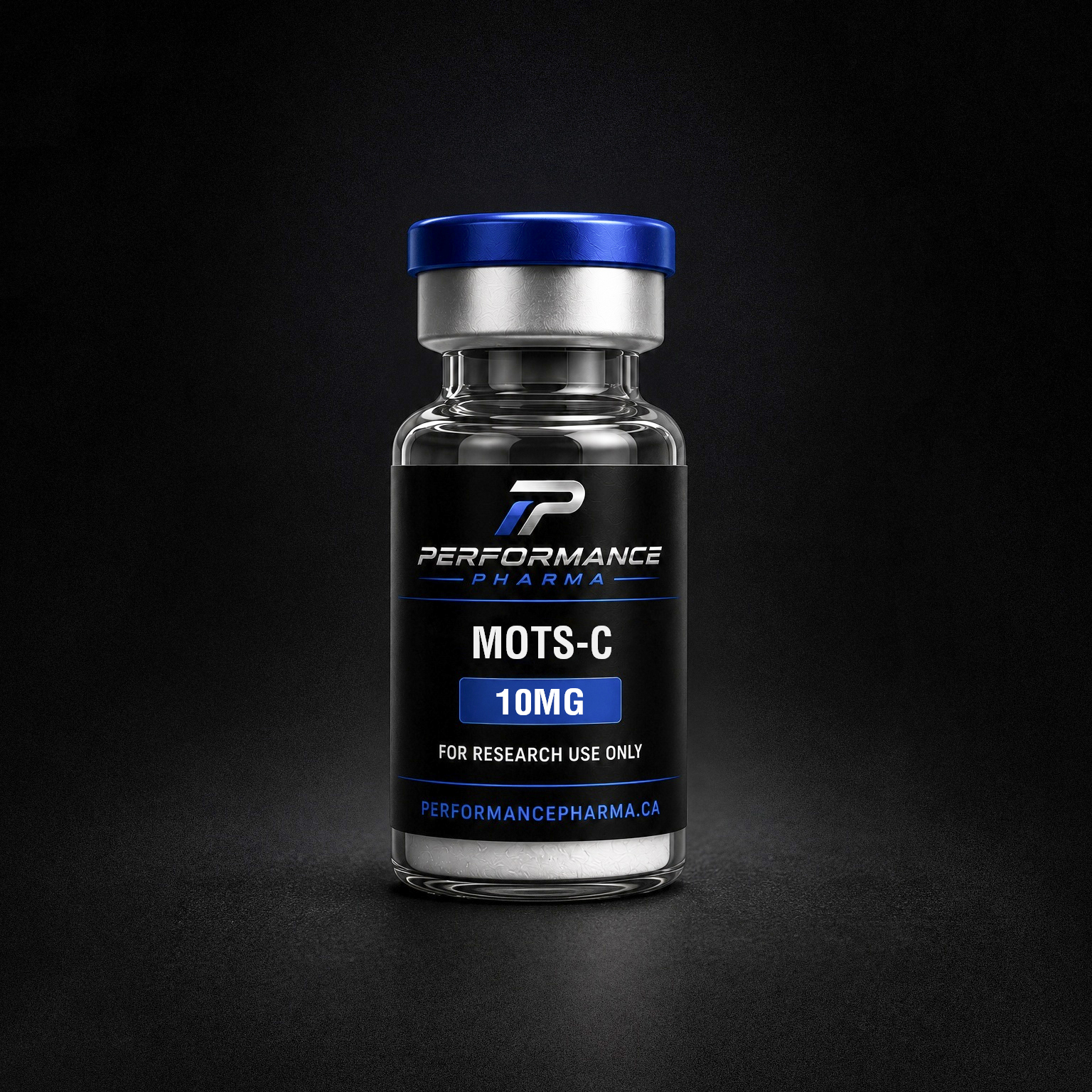
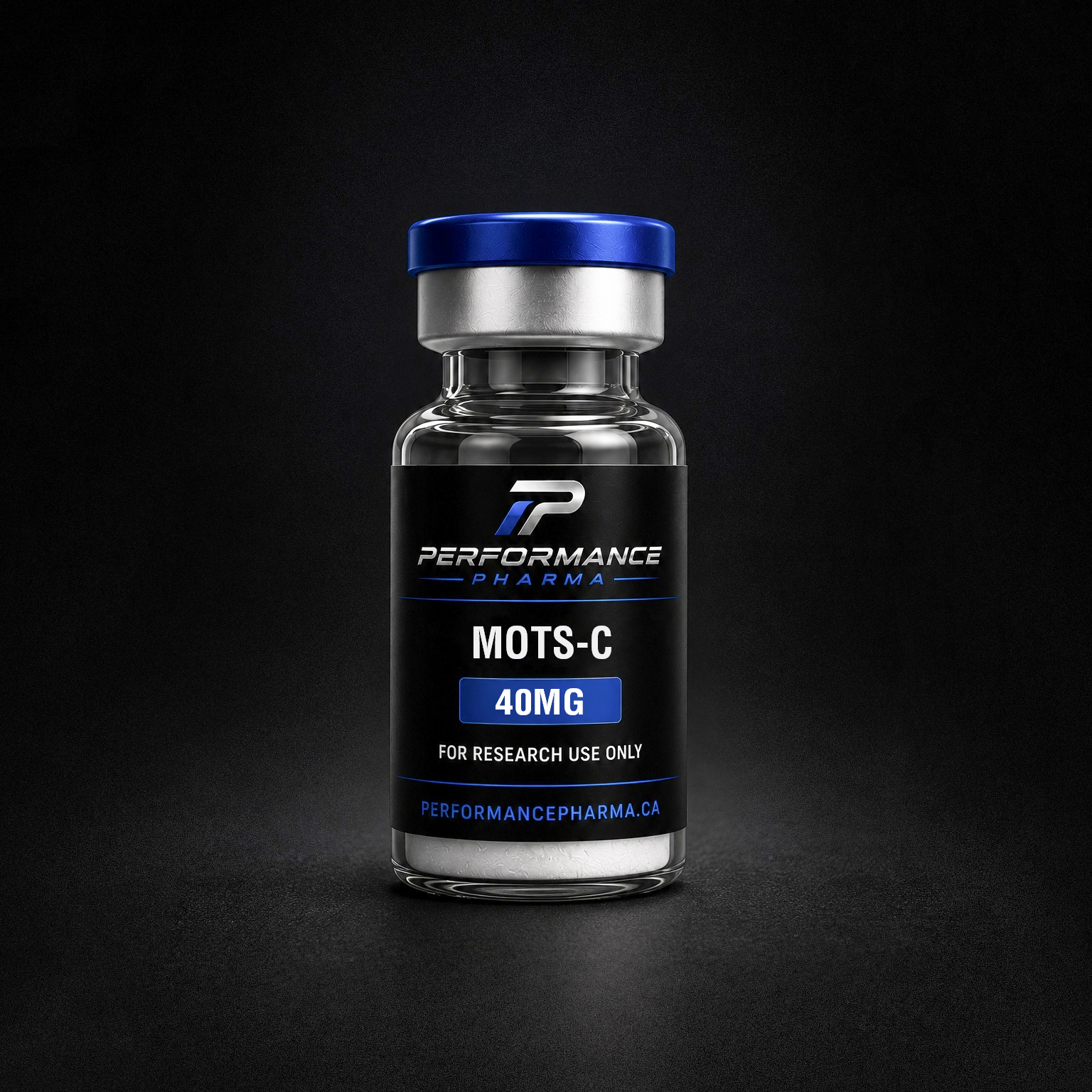
MOTS-C – Research Peptide
Price range: $40.00 through $120.00
MOTS-C is a mitochondrial-derived peptide involved in cellular energy regulation. Research has focused on its potential influence on metabolic function, exercise physiology, and mitochondrial signaling pathways.
Description
MOTS-c (Mitochondrial Open Reading Frame of the 12S rRNA-c) is a naturally occurring mitochondrial-derived peptide (MDP) that has emerged as an important area of investigation in metabolic and aging research. Unlike conventional peptide hormones encoded by nuclear DNA, MOTS-c is encoded within the mitochondrial genome, highlighting its unique role in cellular communication between mitochondria and the nucleus.
Since its discovery in 2015, MOTS-c has attracted considerable scientific interest for its potential involvement in metabolic homeostasis, insulin sensitivity, exercise physiology, and healthy aging. Ongoing preclinical and early clinical investigations continue to explore how this peptide may influence cellular energy regulation under physiological and metabolic stress.
Although research remains in its early stages compared with established incretin peptides, MOTS-c represents one of the most promising mitochondrial signaling molecules currently under investigation.
Research Overview
Mitochondria are traditionally recognized as the energy-producing organelles of the cell. More recently, researchers have discovered that mitochondria also produce biologically active signaling peptides capable of influencing whole-body physiology.
MOTS-c belongs to a growing family of mitochondrial-derived peptides, which are believed to participate in communication between cellular energy status and metabolic adaptation.
Experimental research suggests that MOTS-c may function as a metabolic regulator during periods of physiological stress by influencing pathways involved in:
- Glucose metabolism
- Insulin sensitivity
- Fatty acid utilization
- Cellular energy production
- Skeletal muscle metabolism
Unlike many investigational metabolic peptides that primarily regulate appetite, MOTS-c is thought to influence intracellular energy utilization and metabolic flexibility, making it a unique area of interest within metabolic research.
Mechanism of Action
Although the complete molecular mechanism remains under investigation, current evidence suggests MOTS-c acts through several interconnected metabolic pathways.
Cellular Energy Regulation
Experimental studies indicate that MOTS-c may influence cellular energy balance by promoting adaptive metabolic responses during periods of metabolic stress.
These responses appear to support efficient energy utilization while maintaining metabolic homeostasis.
AMPK Activation
One of the most extensively studied mechanisms involves activation of AMP-activated protein kinase (AMPK), an intracellular energy sensor that regulates numerous metabolic processes.
AMPK activation has been associated with:
- Increased glucose uptake
- Enhanced fatty acid oxidation
- Improved insulin sensitivity
- Regulation of mitochondrial function
- Cellular adaptation to energetic stress
Nuclear Signaling
Unlike many peptide hormones that function exclusively through membrane receptors, MOTS-c has been reported to translocate to the nucleus under certain experimental conditions.
Researchers propose that this nuclear signaling may influence the expression of genes involved in stress responses and metabolic adaptation, although these mechanisms continue to be actively investigated.
Exercise Physiology
Preclinical research has also suggested that MOTS-c expression may increase in response to exercise, leading investigators to explore its potential role in skeletal muscle adaptation and exercise-induced metabolic regulation.
Current Scientific Research
Current knowledge of MOTS-c is derived primarily from laboratory, animal, and early human studies.
Metabolic Research
Experimental investigations have demonstrated improvements in insulin sensitivity and glucose metabolism in several preclinical models. These findings have supported continued investigation into the peptide’s role in metabolic regulation.
Aging Research
Because mitochondrial dysfunction is increasingly recognized as a hallmark of aging, researchers are investigating whether mitochondrial-derived peptides such as MOTS-c contribute to healthy aging and maintenance of metabolic function over time.
Exercise Research
Studies examining skeletal muscle physiology suggest MOTS-c may participate in metabolic adaptations associated with physical activity, including regulation of energy production and mitochondrial function.
Human Studies
Early human investigations have demonstrated that circulating MOTS-c levels may respond to physiological stress and exercise. However, larger clinical trials are required before definitive conclusions regarding its biological significance can be established.
Potential Research Applications
Current scientific literature is investigating MOTS-c in relation to:
- Metabolic health
- Insulin sensitivity
- Glucose metabolism
- Skeletal muscle physiology
- Exercise adaptation
- Healthy aging
- Mitochondrial biology
- Energy metabolism
- Cellular stress responses
These represent active areas of scientific investigation and should not be interpreted as established therapeutic indications.
Product Snapshot
Research Category: Mitochondrial-Derived Peptide (MDP)
Alternative Name: Mitochondrial Open Reading Frame of the 12S rRNA-c
Primary Molecular Targets:
- AMPK-associated signaling pathways
- Cellular metabolic stress pathways
- Mitochondrial signaling networks
Research Administration Route: Subcutaneous injection
Development Status: Early-stage clinical investigation
Evidence Strength: ★★★☆☆
Strong mechanistic and preclinical evidence supported by emerging human research.
Key Scientific References
Lee C, Zeng J, Drew BG, et al. The Mitochondrial-Derived Peptide MOTS-c Promotes Metabolic Homeostasis and Reduces Obesity and Insulin Resistance. Cell Metabolism. 2015.
DOI: 10.1016/j.cmet.2015.02.009
This landmark publication first described MOTS-c and demonstrated its role in regulating metabolic homeostasis, establishing the peptide as a novel mitochondrial signaling molecule.
Kim KH, Son JM, Benayoun BA, Lee C. The Mitochondrial-Encoded Peptide MOTS-c Translocates to the Nucleus to Regulate Nuclear Gene Expression in Response to Metabolic Stress. Cell Metabolism. 2018.
DOI: 10.1016/j.cmet.2018.09.008
This influential study expanded understanding of MOTS-c by demonstrating its potential role in nuclear signaling and adaptive gene regulation during metabolic stress.
Reynolds JC, Lai RW, Woodhead JST, et al. Mitochondrial-Derived Peptides in Metabolism and Aging. Nature Reviews Endocrinology.
A comprehensive review summarizing current knowledge of mitochondrial-derived peptides and their emerging roles in metabolism, aging, and mitochondrial biology.
Lee C. Mitochondrial-Derived Peptides as Novel Regulators of Metabolism. Experimental & Molecular Medicine.
A detailed review discussing the discovery, biological functions, and future research directions of mitochondrial-derived peptides including MOTS-c.
ClinicalTrials.gov. MOTS-c Clinical Studies.
Provides updated information regarding ongoing and completed clinical investigations evaluating MOTS-c in metabolic health, exercise physiology, and healthy aging.
Research Use Statement
For Research Use Only.
MOTS-c supplied by Performance Pharma is intended exclusively for laboratory and scientific research conducted by qualified professionals. This product is not approved for human or veterinary use when sold as a research material and is not intended to diagnose, treat, cure, or prevent any disease. It should be handled, stored, and used in accordance with applicable laws, regulations, and accepted laboratory research practices.
Additional information
| Size | 10MG, 40MG |
|---|
Reviews (0)
Shipping and Delivery


Related products

Select options
This product has multiple variants. The options may be chosen on the product page
5-Amino-1MQ – Research Peptide Canada
$90.00
-13%

Select options
This product has multiple variants. The options may be chosen on the product page


Reviews
There are no reviews yet.