SAVE 15% OFF ON YOUR FIRST ORDER - USE CODE PERFORM15 AT CHECKOUT

-13%



Bacteriostatic Water - Research Peptide Canada
Price range: $10.00 through $15.00

GHK-Cu – Research Peptide
Price range: $40.00 through $60.00
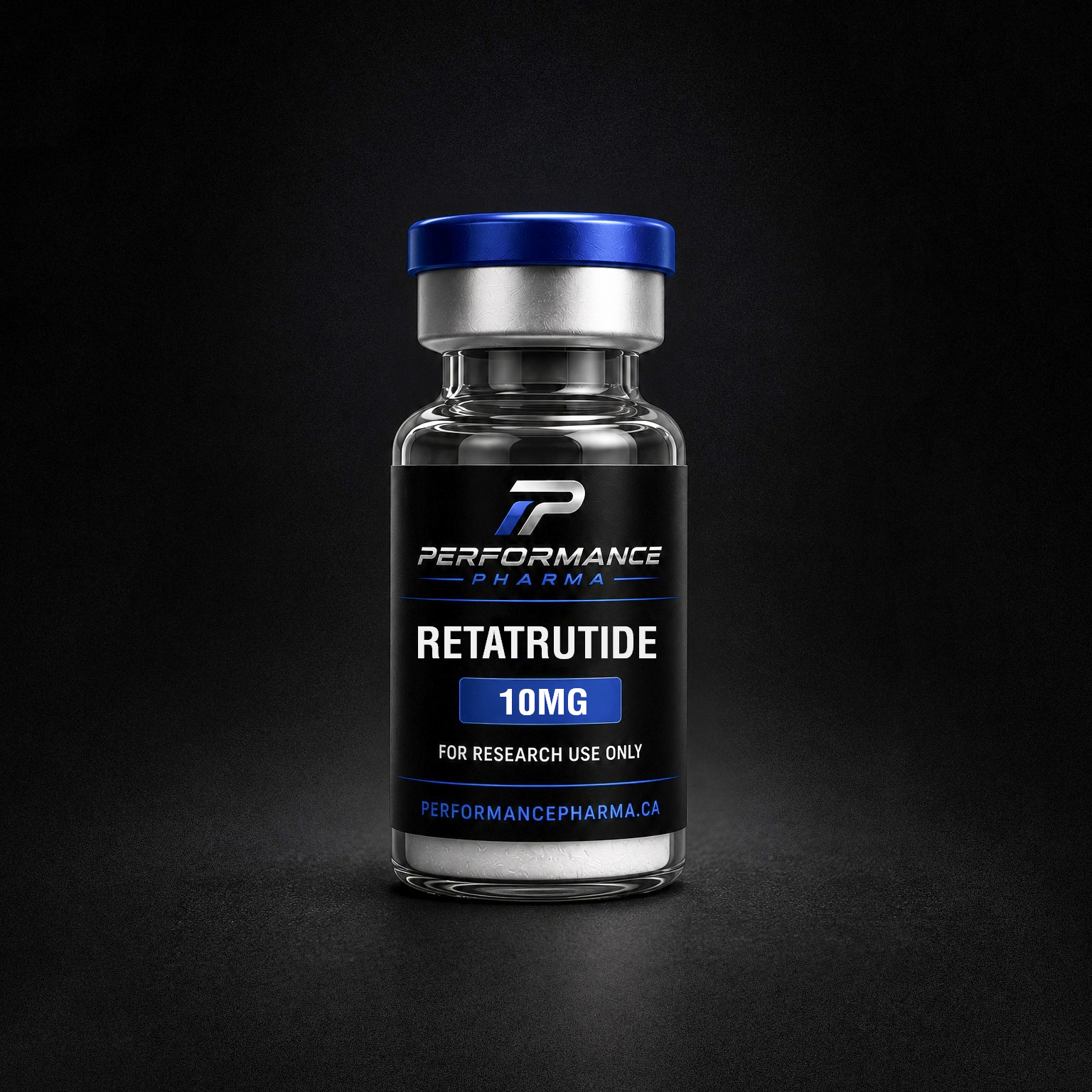
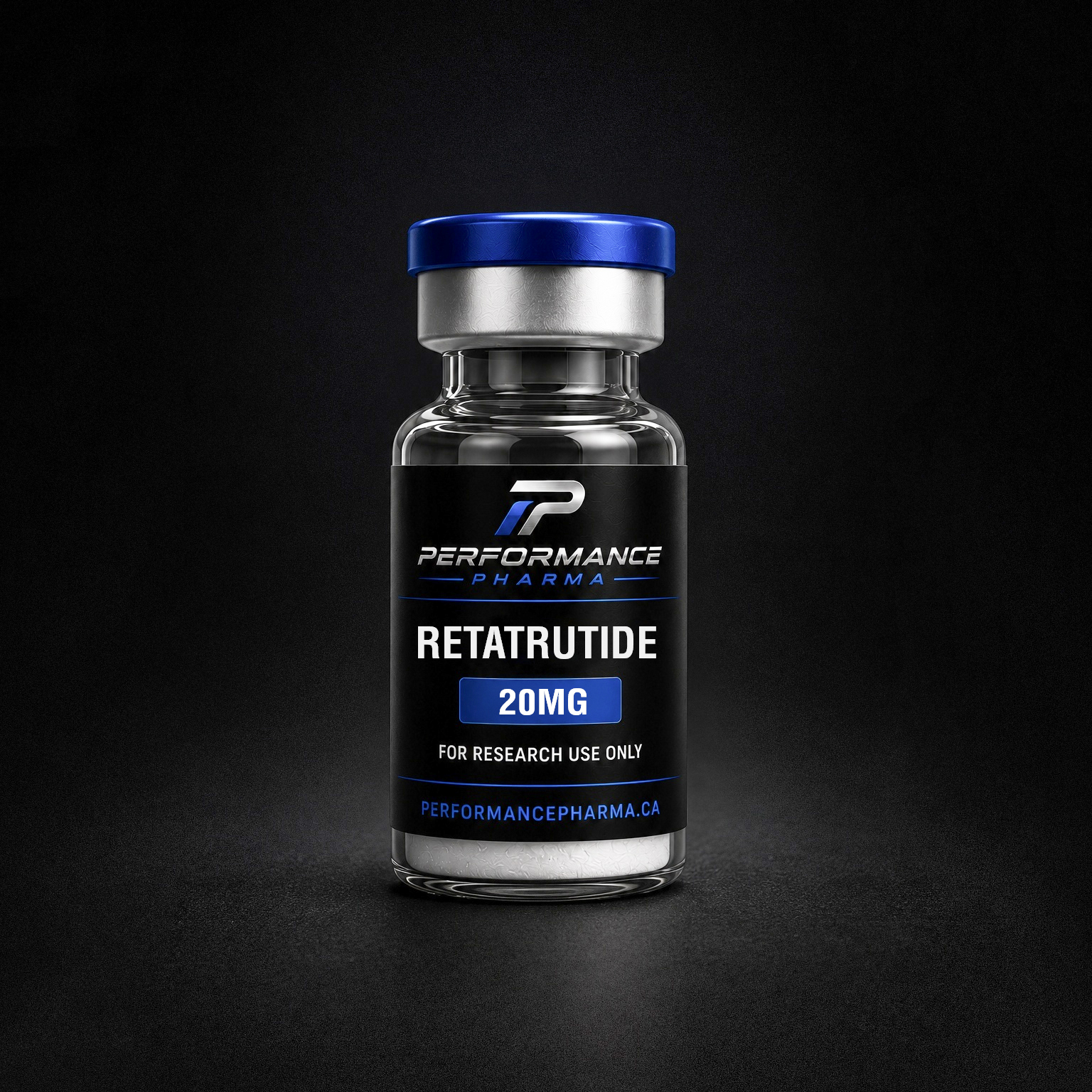
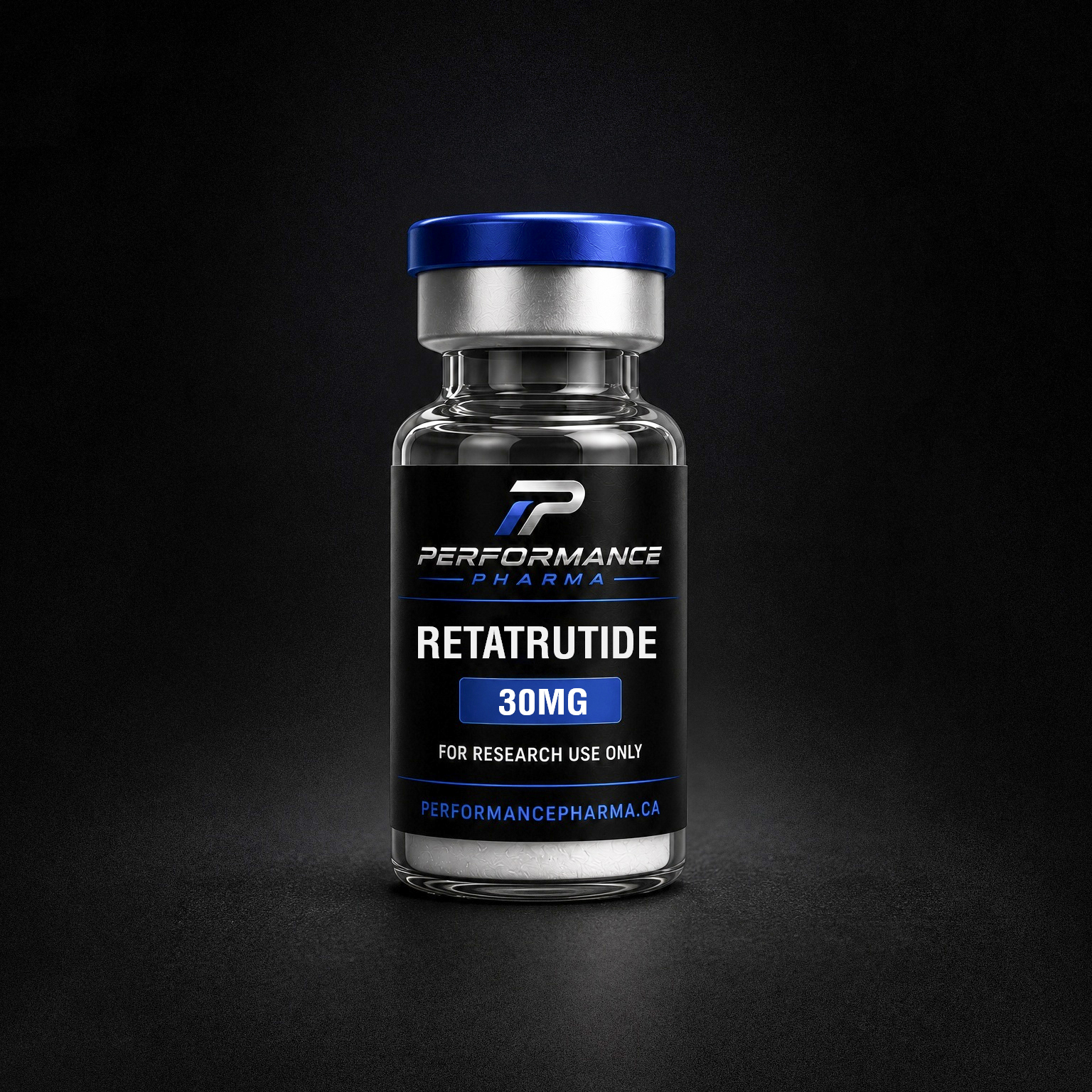
Retatrutide – Research Peptide Canada
Price range: $70.00 through $250.00
Retatrutide is a next-generation multi-receptor peptide that interacts with GLP-1, GIP, and glucagon pathways. It has generated significant interest within the scientific community for its potential role in metabolic regulation, body composition research, and energy balance studies.
Description
Retatrutide (LY3437943) is an investigational triple receptor agonist that simultaneously targets the glucose-dependent insulinotropic polypeptide (GIP), glucagon-like peptide-1 (GLP-1), and glucagon receptors. Developed by Eli Lilly and Company, Retatrutide represents a new generation of metabolic research peptides designed to engage multiple physiological pathways within a single molecule.
Unlike earlier incretin-based compounds that target one or two receptors, Retatrutide combines three complementary mechanisms involved in appetite regulation, glucose homeostasis, and energy expenditure. This innovative approach has positioned it among the most extensively studied investigational peptides in metabolic research.
Although Retatrutide remains under clinical investigation and has not received regulatory approval for general clinical use, published research has demonstrated promising findings in studies evaluating obesity, overweight, type 2 diabetes, and related metabolic disorders.
Research Overview
The development of Retatrutide reflects an evolving understanding of metabolic physiology. While GLP-1 receptor agonists have demonstrated meaningful effects on appetite regulation and glycemic control, researchers recognized that additional hormonal pathways may further influence body weight and metabolic function.
Retatrutide was engineered to activate three naturally occurring receptor systems that work together to regulate energy balance:
- GLP-1 receptors, which influence appetite, gastric emptying, and glucose-dependent insulin secretion.
- GIP receptors, which contribute to insulin release and may enhance the metabolic effects of GLP-1 receptor activation.
- Glucagon receptors, which are involved in energy expenditure, hepatic metabolism, and fat utilization.
By simultaneously engaging all three pathways, Retatrutide has become an important investigational compound for researchers studying complex metabolic disorders. Current evidence suggests that coordinated activation of these receptors may produce metabolic effects beyond those observed with single- or dual-receptor agonists.
Mechanism of Action
Retatrutide belongs to a class of compounds known as triple receptor agonists. Following subcutaneous administration in research settings, the peptide interacts with three distinct hormone receptors involved in the regulation of metabolism.
GLP-1 Receptor Activation
Activation of the GLP-1 receptor has been shown to:
- Reduce appetite
- Increase satiety
- Slow gastric emptying
- Stimulate glucose-dependent insulin secretion
- Suppress glucagon secretion during hyperglycemia
Collectively, these effects contribute to reduced caloric intake and improved glucose regulation.
GIP Receptor Activation
GIP (glucose-dependent insulinotropic polypeptide) is an endogenous incretin hormone released after nutrient intake.
Current research suggests that GIP receptor activation may:
- Enhance insulin secretion
- Improve glucose homeostasis
- Influence adipose tissue metabolism
- Complement GLP-1 receptor signaling
Although the full physiological role of GIP continues to be investigated, clinical research indicates that combined GLP-1 and GIP receptor activation may produce additive metabolic effects.
Glucagon Receptor Activation
The inclusion of glucagon receptor agonism distinguishes Retatrutide from previous incretin-based therapies.
Experimental evidence suggests glucagon receptor activation may:
- Increase energy expenditure
- Promote fat oxidation
- Influence hepatic lipid metabolism
- Contribute to reductions in adipose tissue when balanced by concurrent GLP-1 and GIP receptor activity
Researchers continue to investigate how these three receptor systems interact to produce the metabolic profile observed in clinical studies.
Current Scientific Research
Retatrutide has progressed through Phase 1 and Phase 2 clinical development, with multiple international Phase 3 studies currently underway.
Obesity Research
A landmark randomized, double-blind, placebo-controlled Phase 2 clinical trial evaluated Retatrutide in adults with obesity or overweight. Investigators reported substantial reductions in body weight across multiple dose groups together with improvements in several cardiometabolic markers.
These findings provided proof of concept for triple receptor agonism and supported advancement into large-scale Phase 3 clinical trials.
Type 2 Diabetes Research
A separate Phase 2 study investigated Retatrutide in adults with type 2 diabetes. Researchers observed improvements in glycemic control alongside reductions in body weight while further characterizing dose-response relationships and tolerability.
Additional Areas of Investigation
Beyond obesity and diabetes, ongoing research is exploring Retatrutide’s potential influence on:
- Metabolic dysfunction-associated steatotic liver disease (MASLD)
- Insulin sensitivity
- Body composition
- Resting energy expenditure
- Cardiometabolic risk factors
- Long-term weight maintenance
Many of these investigations remain ongoing, and additional data are expected as Phase 3 clinical programs continue.
Potential Research Applications
Based on current scientific literature, Retatrutide is being investigated in the following research areas:
- Obesity and overweight
- Type 2 diabetes
- Metabolic syndrome
- Metabolic dysfunction-associated steatotic liver disease (MASLD)
- Insulin resistance
- Body composition
- Energy metabolism
- Cardiometabolic health
These represent active areas of scientific investigation and should not be interpreted as established clinical indications.
Product Snapshot
Research Category: Triple Incretin Receptor Agonist
Alternative Name: LY3437943
Primary Molecular Targets:
- GLP-1 Receptor
- GIP Receptor
- Glucagon Receptor
Research Administration Route: Subcutaneous injection
Development Status: Investigational (Phase 3 Clinical Development)
Evidence Strength: ★★★★★ (Strong human clinical evidence with ongoing confirmatory Phase 3 trials)
Key Scientific References
1. Jastreboff AM, Aronne LJ, Ahmad NN, et al. Triple–Hormone-Receptor Agonist Retatrutide for Obesity – A Phase 2 Trial. New England Journal of Medicine. 2023.
DOI: 10.1056/NEJMoa2301972
This pivotal randomized Phase 2 trial demonstrated substantial reductions in body weight in adults with obesity or overweight, establishing Retatrutide as one of the leading investigational multi-receptor metabolic peptides.
https://doi.org/10.1056/NEJMoa2301972
2. Rosenstock J, et al. Retatrutide, a GIP, GLP-1 and Glucagon Receptor Agonist for Type 2 Diabetes. The Lancet. 2023.
DOI: 10.1016/S0140-6736(23)01053-X
This Phase 2 clinical study evaluated Retatrutide in adults with type 2 diabetes, demonstrating improvements in glycemic control while further defining its safety profile and dose-response characteristics.
https://doi.org/10.1016/S0140-6736(23)01053-X
3. ClinicalTrials.gov – Retatrutide Clinical Development Program
ClinicalTrials.gov provides continually updated information on ongoing Phase 3 studies investigating Retatrutide in obesity, type 2 diabetes, and additional metabolic disorders.
https://clinicaltrials.gov
4. Müller TD, Finan B, Bloom SR, et al. Glucagon-like peptide 1 (GLP-1). Molecular Metabolism. 2019.
This comprehensive review explains the physiological roles of GLP-1 and summarizes decades of research that laid the foundation for modern incretin-based therapies and next-generation multi-receptor agonists.
https://doi.org/10.1016/j.molmet.2019.101102
5. Drucker DJ. Mechanisms of Action and Therapeutic Application of Glucagon-like Peptide-1. Cell Metabolism. 2018.
A foundational review describing the biology of GLP-1 and its importance in glucose regulation, appetite control, and metabolic disease research.
https://doi.org/10.1016/j.cmet.2018.03.001
Research Use Only Disclaimer
For Research Use Only.
Retatrutide supplied by Performance Pharma is intended exclusively for laboratory and scientific research conducted by qualified professionals. This product is not approved for human or veterinary use and is not intended to diagnose, treat, cure, or prevent any disease. Purchasers are responsible for ensuring compliance with all applicable laws, regulations, and institutional guidelines governing the acquisition, handling, storage, and use of research materials.
Additional information
| Size | 10MG, 20MG, 30MG, 60MG |
|---|
Reviews (0)
Shipping and Delivery


Related products

Select options
This product has multiple variants. The options may be chosen on the product page
Reviews
There are no reviews yet.